 Endodontic Rotary Files
 Finishing Burs
 High-Speed Burs
 Low-Speed Drills
 Cosmetic Accessories
 Home Whitening Kits
 Clinic Whitening Kits
 Implant Accessories
 Implant Fixtures
 Prosthetic Components
 Surgical Implant Tools
 CAD & CAM Materials
 Lab Consumables
 Lab Equipment
 Digital Dentistry Devices
 Endodontic Equipment
 General Clinic Equipment
 Restorative Equipment
 Surgical Equipment
 Hand Files
 Irrigation & Medicaments
 Post & Core
 Rotary Files
 Sealers
 Brackets & Wires
 Clear Aligners
 Orthodontic Accessories
 Bonding & Adhesive Systems
 Finishing & Polishing
 Matrix Systems
 Etching Materials
 Composite Materials
 Occlusion Checking
 Bone & Grafting Materials
 Surgical Accessories
 Surgical Consumables
 Cementation
 Impression & Registration Materials
 Temporary Restorations
 Periodontal Instruments & Accessories
 Periodontal Treatment Materials


Dual Cure Core Build Up Material: Selection, Cementation and Clinical Errors

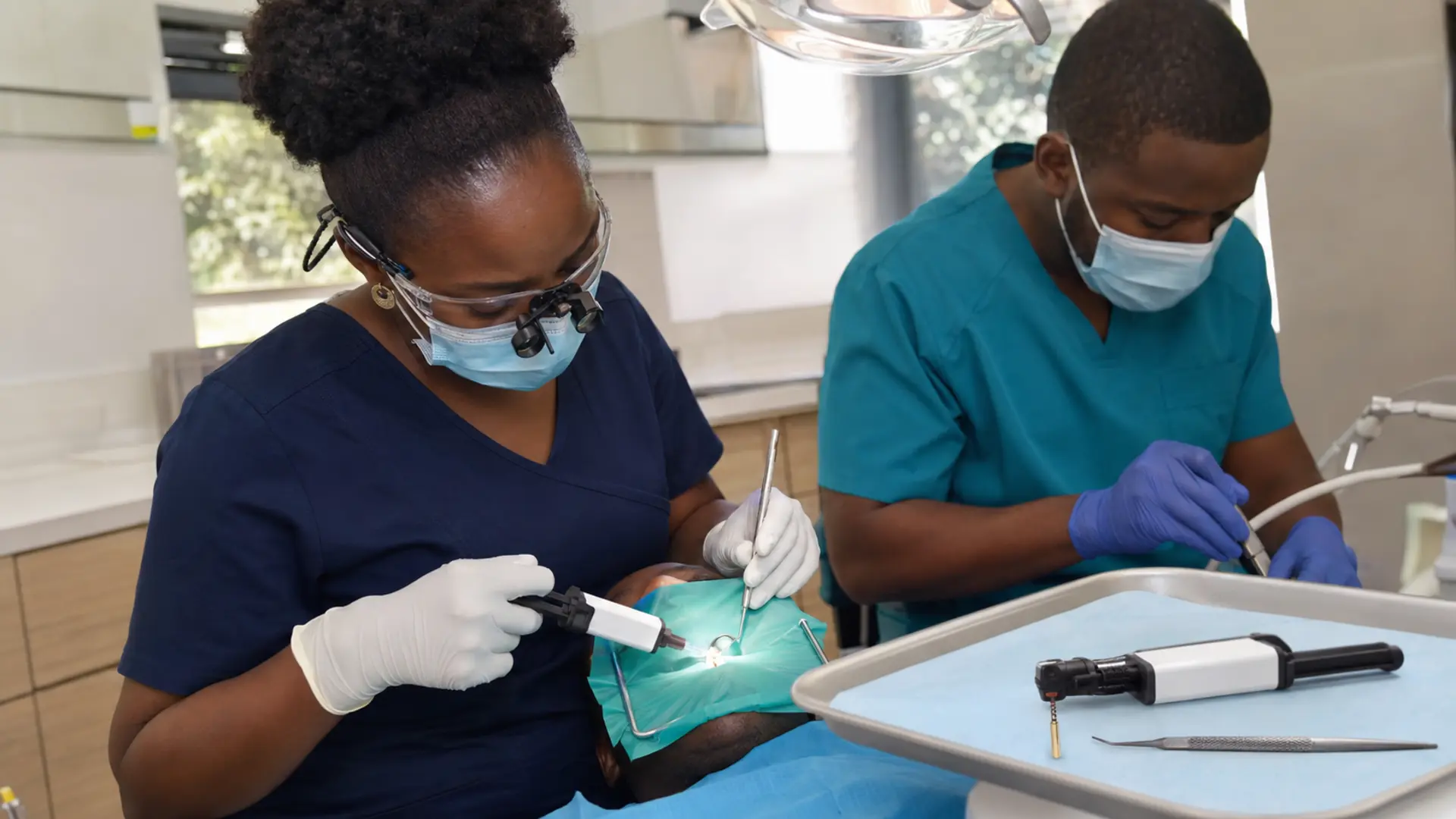
Dual Cure Core Build Up Material should be evaluated through clinical evidence, workflow fit and local operating conditions. A sound dual cure core build up material decision connects verified performance with the team, patients and resources that will support it in daily practice.
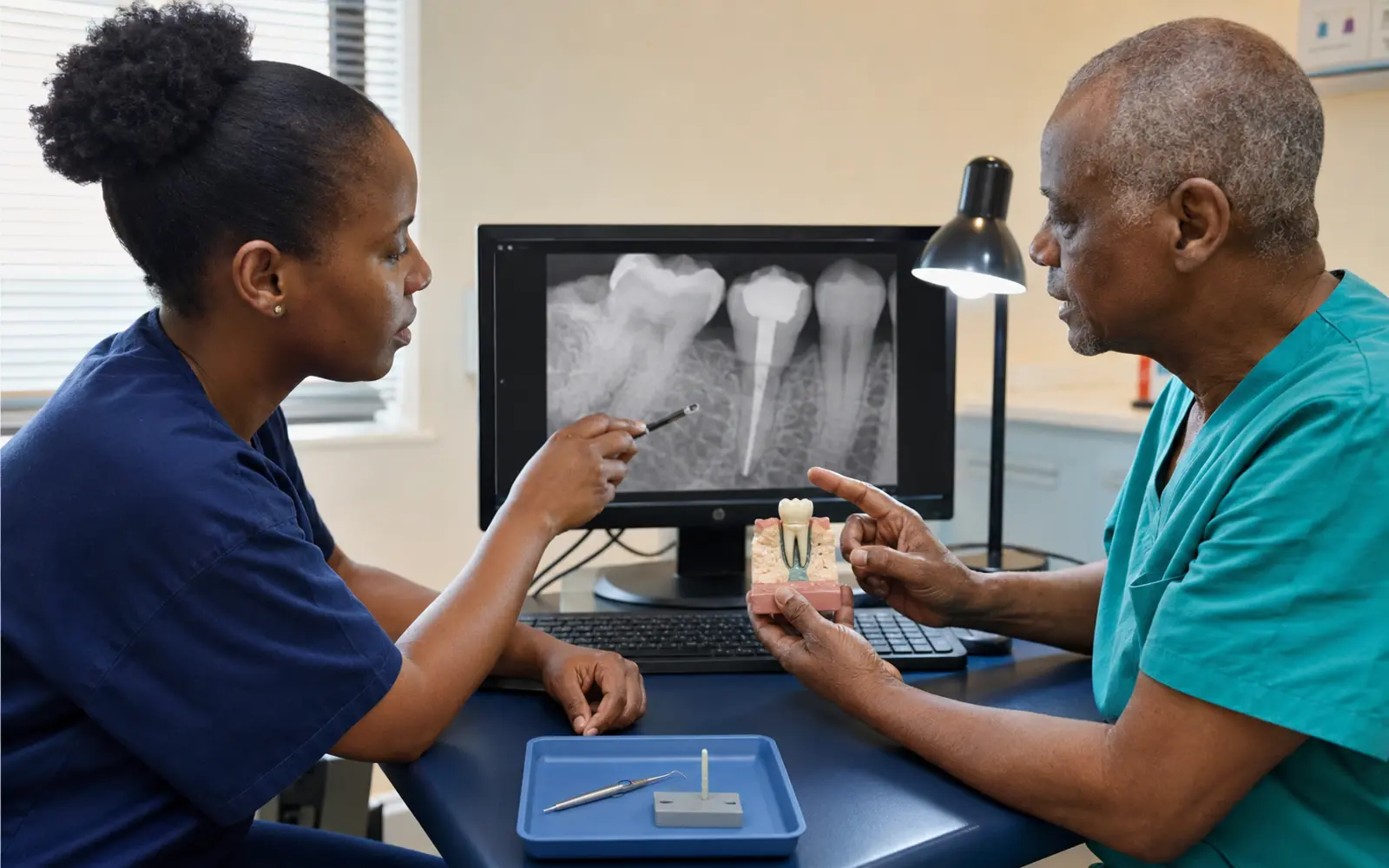
Restoring an endodontically treated tooth is not simply a matter of filling the canal space with a post and composite. Long-term success depends on diagnosis, remaining tooth structure, ferrule, post selection, adhesion and occlusal design.
Dual-cure materials are useful because they combine light-activated and chemical polymerization. This is important inside root canals and deep core areas where light may not reach effectively.
Quick answer: A dual-cure core build-up material is appropriate when the restoration includes deep areas, fiber-post cementation or limited light access. It cannot compensate for poor isolation, inadequate ferrule or an incompatible adhesive system.
Table of Contents
What Is a Dual-Cure Material?
Dual-cure products contain photoinitiators and a chemical curing system. Light accelerates polymerization in accessible areas, while the chemical reaction supports curing where light intensity is reduced.
Products differ in viscosity, working time, radiopacity, filler content and indications. Some are designed for core build-up only; others are indicated for post cementation and core construction.
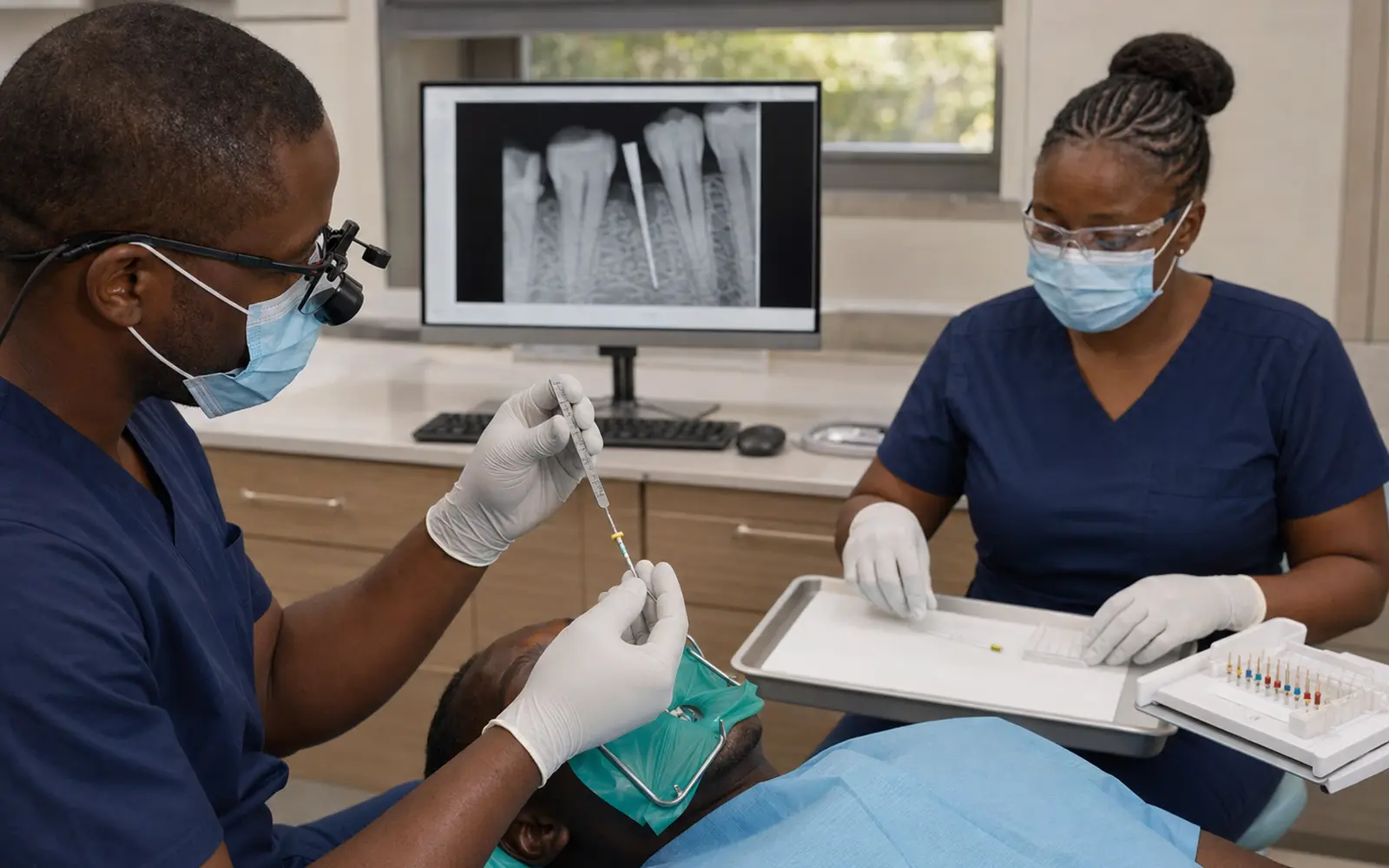
When Is a Post Actually Needed?
A post is used to retain a core when insufficient coronal structure remains. It does not strengthen the root. Unnecessary post preparation can remove dentin and increase fracture risk.
Before placing a post, assess:
- Amount and distribution of remaining tooth structure.
- Ferrule height and continuity.
- Root anatomy and thickness.
- Periodontal support.
- Occlusal load and parafunction.
- Restorability and prognosis.
Why Ferrule Matters
A ferrule is a band of sound coronal tooth structure engaged by the final restoration. It helps resist functional forces and is a major factor in prognosis. A post and core cannot replace an inadequate ferrule.
When ferrule is insufficient, consider treatment options such as crown lengthening, orthodontic extrusion or alternative restorative planning.
Material Properties to Compare
- Indications for cementation and core build-up.
- Working and setting time.
- Viscosity and flow.
- Intracanal delivery tips.
- Radiopacity.
- Cutting and preparation behavior.
- Shade or opacity.
- Compatible adhesives and primers.
Adhesive Compatibility
Some simplified acidic adhesives can interfere with the chemical cure of certain resin materials. Use combinations specifically validated by the manufacturers. If an activator is required, include it in the protocol.
Do not assume that any universal adhesive is automatically compatible with any dual-cure cement.
Canal Preparation
Preserve radicular dentin. Remove only the material needed for the selected post and maintain an adequate apical seal. Clean the canal according to the restorative system without using incompatible residues.
Control moisture carefully. Excess water can dilute resin, while excessive drying may affect dentin and adhesive performance.
Reducing Voids During Cementation
Use the recommended intracanal tip and begin delivery at the deepest point. Keep the tip within the material while withdrawing slowly. This reduces trapped air.
Seat the post with controlled pressure and rotation when indicated. Remove excess at the correct stage and stabilize the post during initial curing.
Building the Core
Use a matrix when needed. Deliver material in a way that avoids internal voids and creates sufficient volume for the planned preparation. Light-cure accessible surfaces according to the manufacturer’s instructions even when the product is dual-cure.
Allow chemical curing to progress before aggressive preparation.
Common Causes of Failure
- Inadequate ferrule.
- Excessive post-space preparation.
- Contamination.
- Adhesive incompatibility.
- Voids in the cement.
- Incorrect post fit.
- Premature loading.
- High occlusion or parafunction.
- Untreated endodontic or periodontal disease.
Using FGM Allcem Core
FGM Allcem Core is listed by Denta24 as a dual-cure post and core material. Before use, review its current indications, shade, mixing and delivery system, compatible adhesive protocol and working time.
Inventory Benefits for African Clinics
A multifunctional product can simplify inventory when it is validated for post cementation and core build-up. This may reduce the number of syringes and accessories held in stock. However, the clinic should maintain compatible adhesives, tips and posts and should protect the product from heat during storage and transport.
Clinical Checklist
- Confirm the tooth is restorable.
- Evaluate ferrule and occlusion.
- Select post only if retention is required.
- Verify material and adhesive compatibility.
- Preserve dentin during post-space preparation.
- Achieve controlled moisture.
- Deliver material from the deepest point.
- Confirm complete post seating.
- Cure and allow chemical setting.
- Prepare and restore with appropriate cuspal coverage.
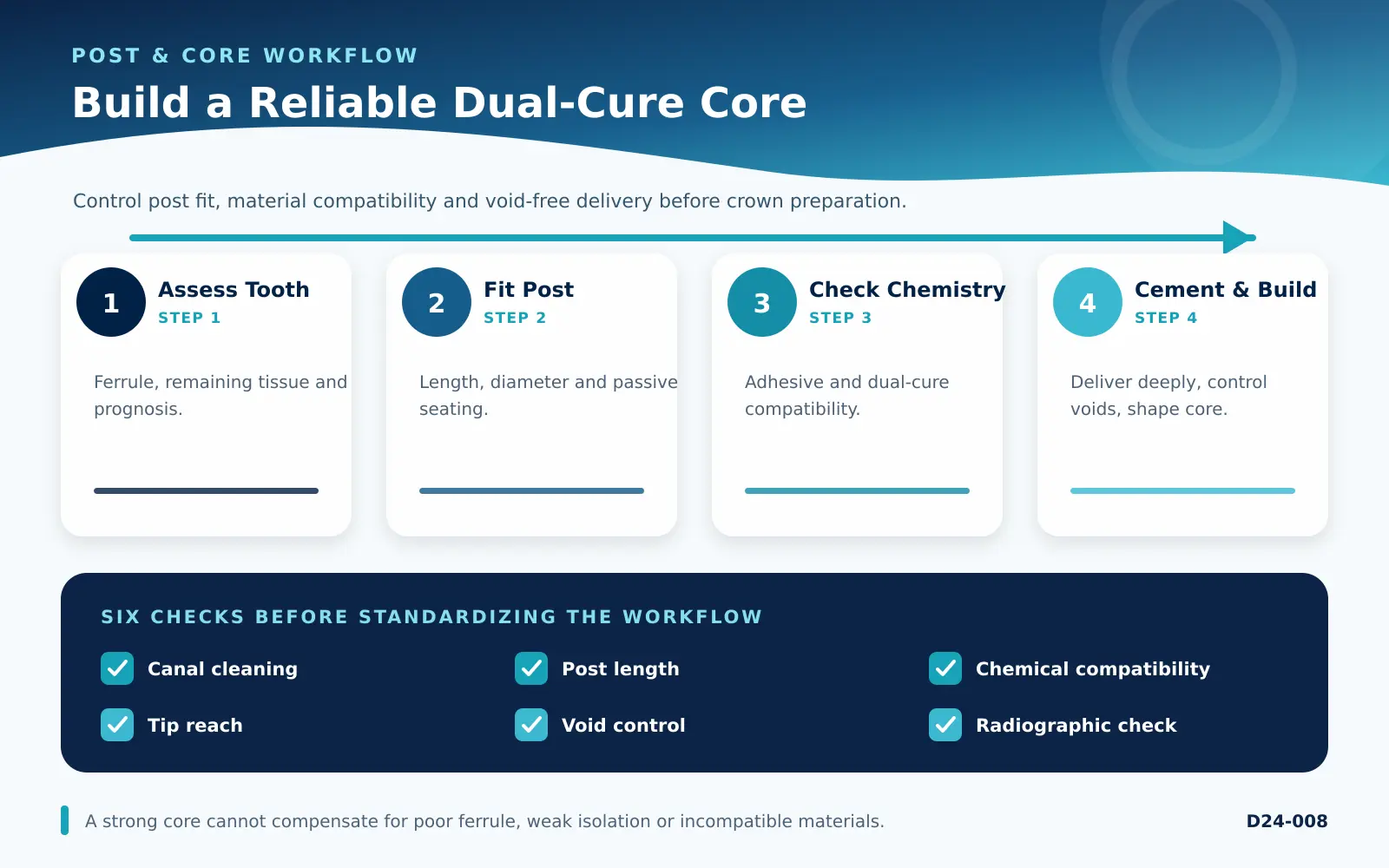
Dual Cure Core Build Up Material: Practical Checks for African Clinics
For African clinics, dual cure core build up material is not a product-only decision. It must also account for verified adhesive compatibility, storage temperature, delivery-tip supply, curing-light output, radiographic control, stock turnover and access to current IFUs. A resilient dual cure core build up material plan should remain workable when supply, connectivity, service access or patient follow-up is less predictable than expected.
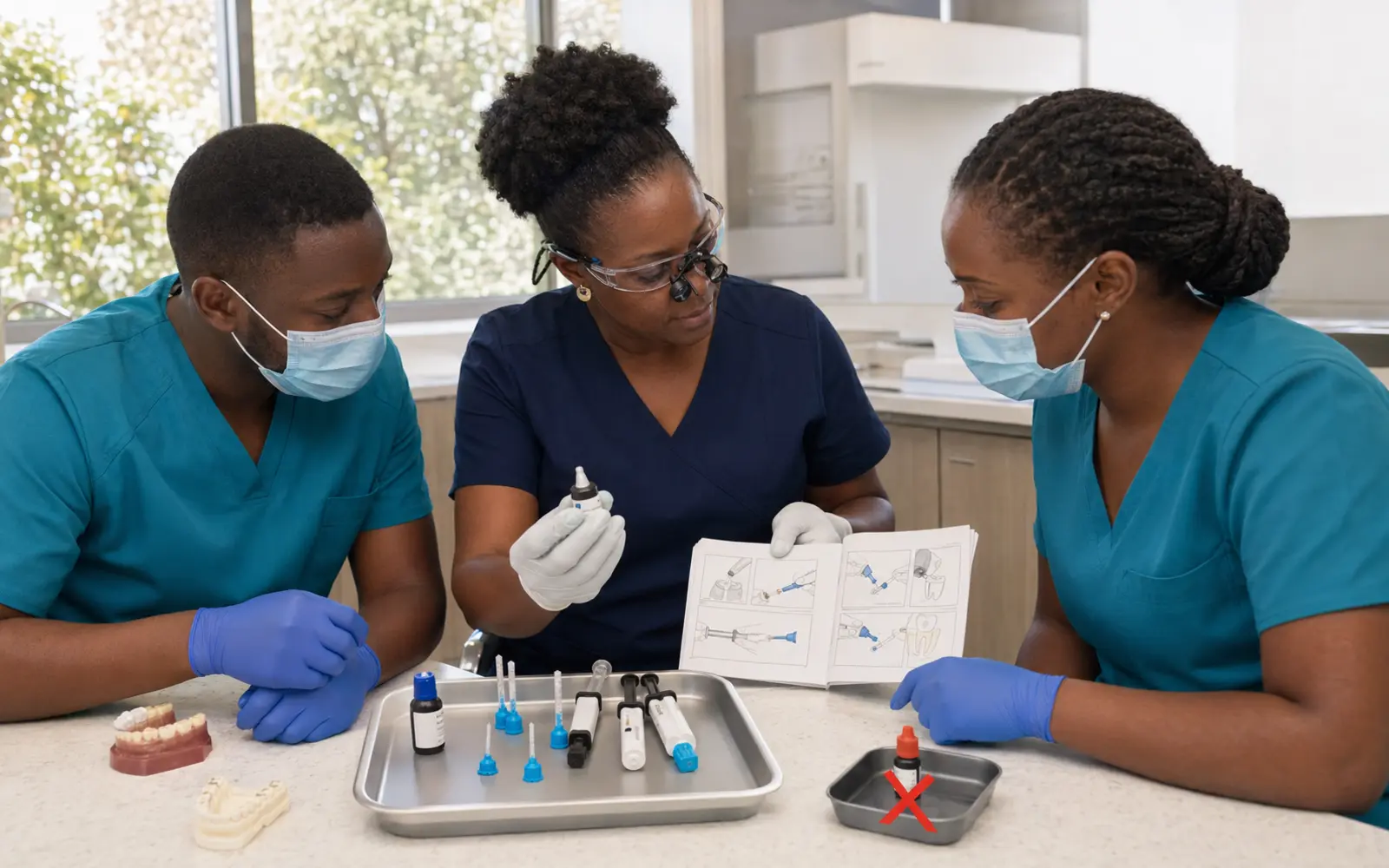
Before adoption, document who is responsible, which current instructions for use apply, how outcomes will be measured and what will trigger referral, retraining or a change in protocol. The goal of dual cure core build up material is to treat the material, adhesive, post and tooth preparation as one system and verify each curing and cementation step before relying on a simplified workflow.
- Verify verified adhesive compatibility before implementation or purchase.
- Verify storage temperature before implementation or purchase.
- Verify delivery-tip supply before implementation or purchase.
- Verify curing-light output before implementation or purchase.
- Verify radiographic control before implementation or purchase.
- Verify stock turnover and access to current IFUs before implementation or purchase.
Use dual cure core build up material as an operational decision that is reviewed after real cases. Record complications, remakes, chair time, consumable use, stock-outs and team feedback, then refine the protocol from evidence rather than marketing claims.
Related Denta24 reading: how to select high-quality dental materials. This context helps place dual cure core build up material within a broader clinical and digital strategy.
Conclusion
Dual Cure Core Build Up Material succeeds when the evidence, local workflow and review plan remain aligned. Dual-cure core build-up materials improve polymerization reliability in deep regions, but restorative success remains biological and mechanical. The clinician must preserve tooth structure, create ferrule where possible and use a validated adhesive system.
Frequently Asked Questions
What is a dual-cure core build-up material?
For context, dual cure core build up material should always be adapted to the individual case and the current evidence. It combines light and chemical polymerization so material can set where curing light is limited.
When is dual cure especially useful?
It is useful inside canals, deep cores and beneath opaque or thick restorations.
Can one material cement a fiber post and build the core?
Some products can, but the manufacturer’s indications must explicitly include both uses.
Why is adhesive compatibility important?
Chemical interactions can reduce polymerization or bond strength when unvalidated combinations are used.
How can canal voids be reduced?
Deliver material from the deepest point with the recommended tip and withdraw slowly.
Should material be placed on the post or in the canal?
Follow the specific system instructions. Intracanal delivery often improves uniformity when performed correctly.
How much coronal structure is needed?
Prognosis depends strongly on remaining tooth structure and ferrule, not only on the post and core.
Can dual cure compensate for poor isolation?
No. Contamination can compromise bonding even when polymerization is adequate.
How is excess material managed?
Remove it at the recommended working stage and complete light curing on accessible surfaces.
What causes post-and-core failure?
Common causes include poor ferrule, excessive preparation, contamination, voids, incompatibility and occlusal overload.
References and Further Reading
Professional disclaimer: Endodontically treated teeth require individualized restorative planning. Follow the current product instructions and adhesive compatibility requirements.