
 Endodontic Rotary Files
 Finishing Burs
 High-Speed Burs
 Low-Speed Drills
 Cosmetic Accessories
 Home Whitening Kits
 Clinic Whitening Kits
 Implant Accessories
 Implant Fixtures
 Prosthetic Components
 Surgical Implant Tools
 CAD & CAM Materials
 Lab Consumables
 Lab Equipment
 Digital Dentistry Devices
 Endodontic Equipment
 General Clinic Equipment
 Restorative Equipment
 Surgical Equipment
 Hand Files
 Irrigation & Medicaments
 Post & Core
 Rotary Files
 Sealers
 Brackets & Wires
 Clear Aligners
 Orthodontic Accessories
 Bonding & Adhesive Systems
 Finishing & Polishing
 Matrix Systems
 Etching Materials
 Composite Materials
 Occlusion Checking
 Bone & Grafting Materials
 Surgical Accessories
 Surgical Consumables
 Cementation
 Impression & Registration Materials
 Temporary Restorations
 Periodontal Instruments & Accessories
 Periodontal Treatment Materials


Autoclave Validation in Dental Clinics: Mechanical, Chemical and Biological Monitoring

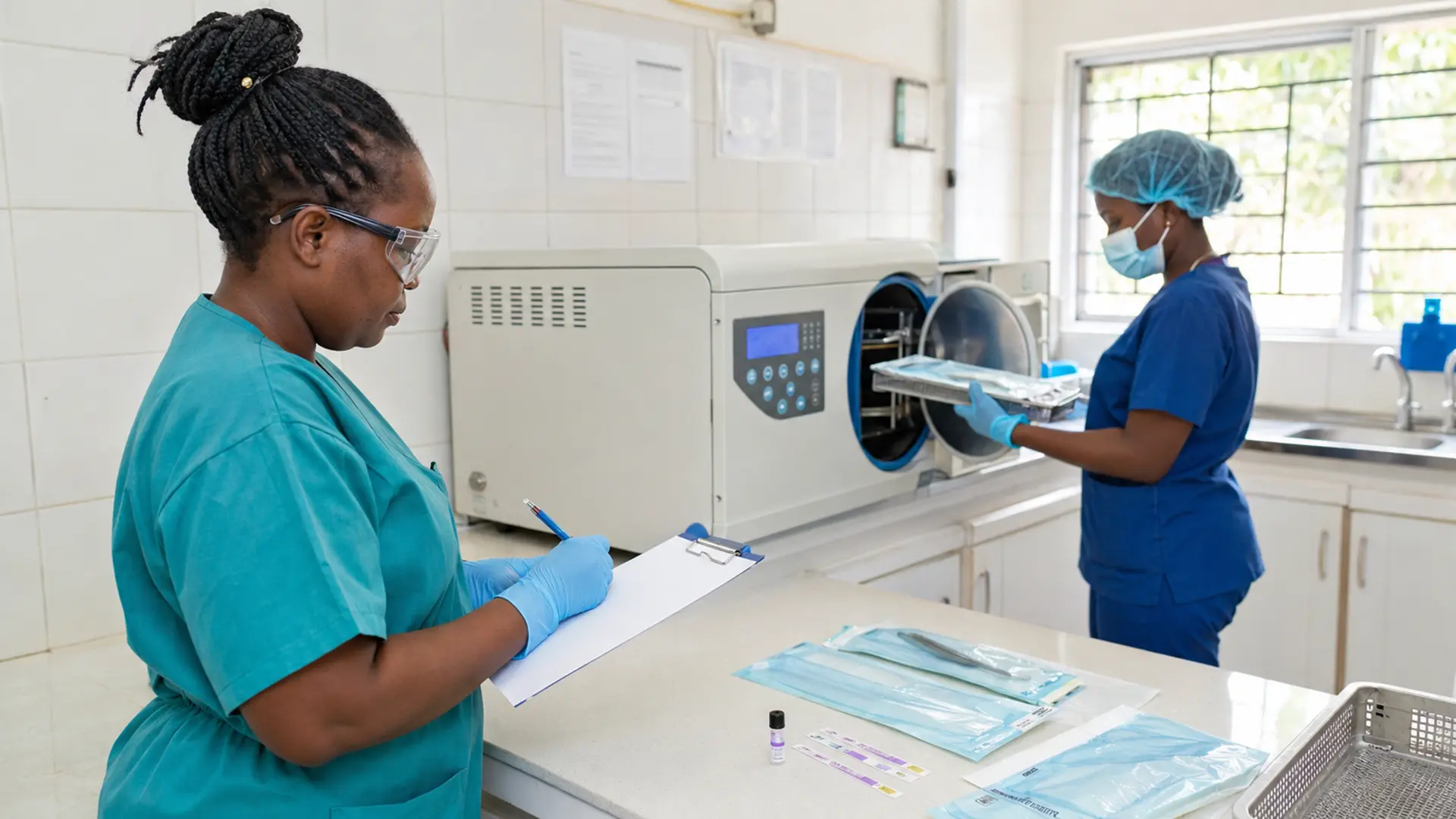
Autoclave Validation In Dental Clinics should be evaluated through clinical evidence, workflow fit and local operating conditions. A sound autoclave validation in dental clinics decision connects verified performance with the team, patients and resources that will support it in daily practice.
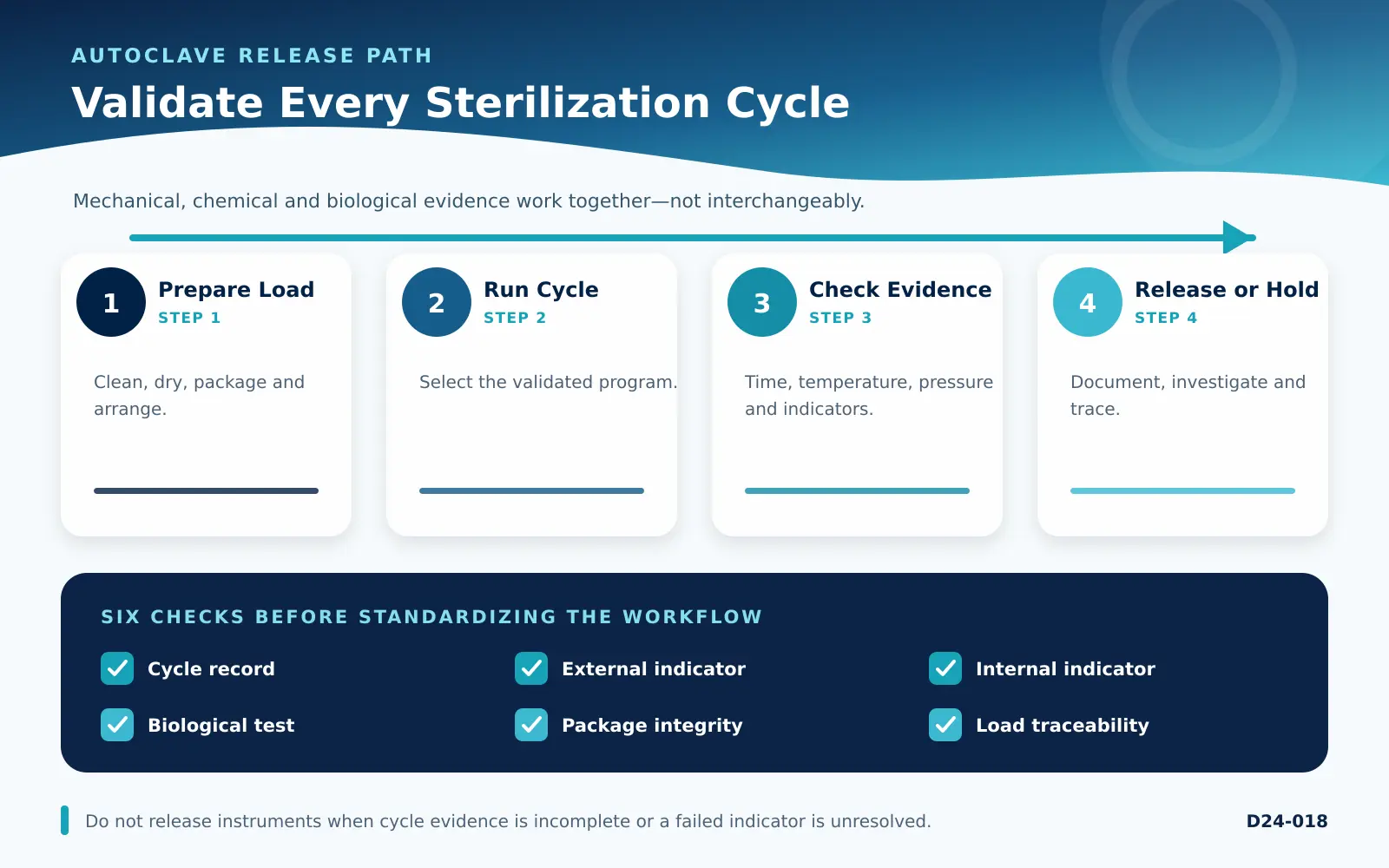
An autoclave cycle that finishes without an alarm has not automatically proved that every package is sterile. A reliable sterilization program combines correct cleaning and packaging with mechanical, chemical and biological monitoring, documentation and a defined response to failure.
For independent clinics, the system should be practical enough to be followed every day. Complex policies that are not implemented provide less protection than a clear, audited procedure.
Quick answer: Monitor every sterilizer load mechanically and chemically, perform biological monitoring at the frequency required by local rules and recognized guidance, maintain traceable records and quarantine items when a cycle cannot be verified.
Table of Contents
Sterilization Begins Before the Autoclave
Steam cannot sterilize instruments that are not properly cleaned, dried, inspected and packaged. The workflow should separate contaminated and clean areas and reduce handling injuries.
Core stages include:
- Safe transport of used instruments.
- Cleaning and rinsing.
- Drying and inspection.
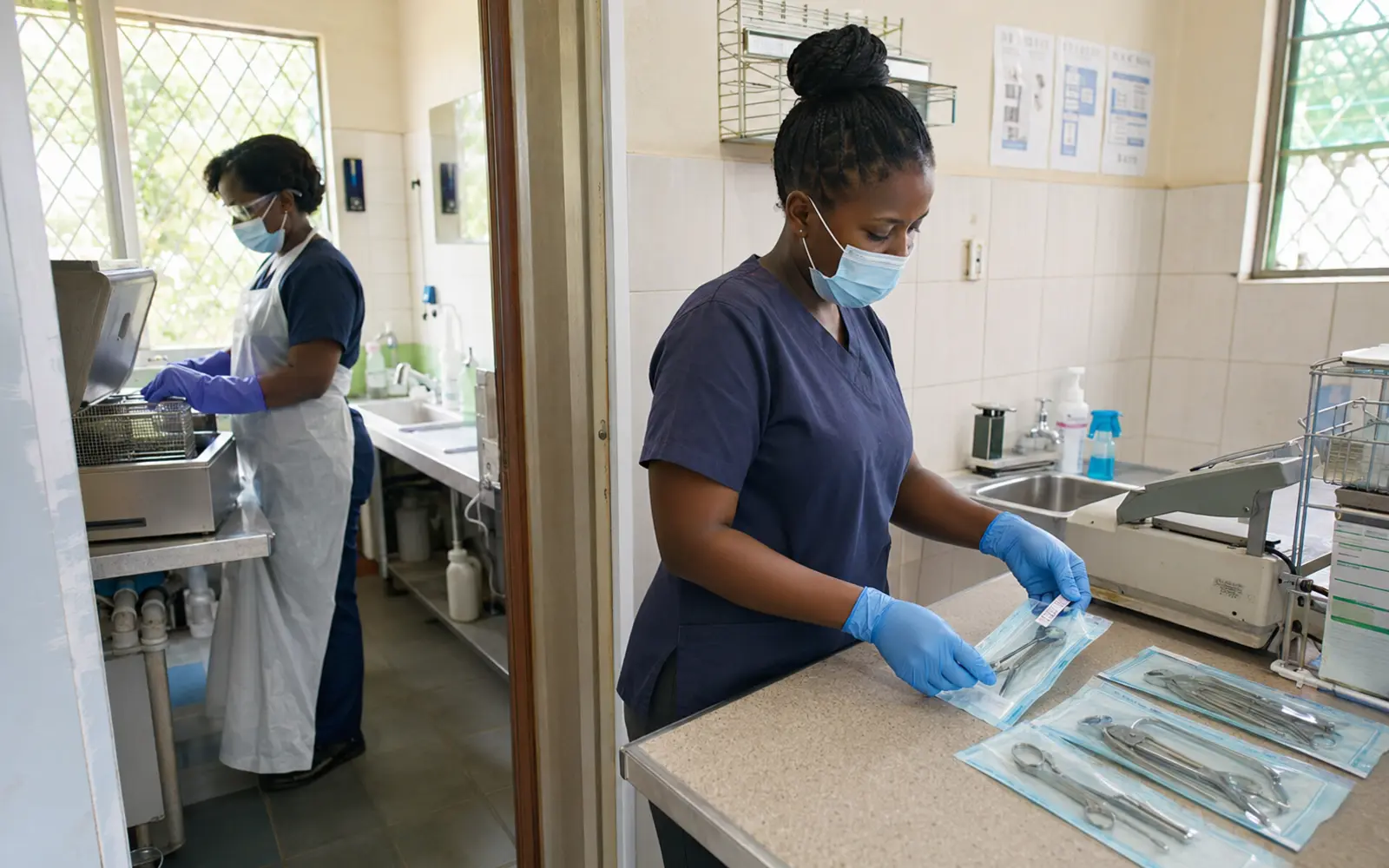
- Packaging with indicators.
- Correct loading.
- Sterilization.
- Drying and cooling.
- Storage and release.
Mechanical Monitoring
Mechanical monitoring reviews the cycle’s time, temperature and pressure. Readings may appear on the display, printout or electronic record.
Check every load. An unexpected parameter, aborted cycle or wet load requires investigation.
Chemical Indicators
Chemical indicators change when exposed to selected process conditions. External indicators distinguish processed from unprocessed packages. Internal indicators provide information inside the package.
A color change does not independently prove sterility. It is one part of the monitoring system.
Biological Indicators
Biological indicators use resistant spores to challenge the process. They provide direct evidence of the sterilizer’s ability to inactivate highly resistant microorganisms under test conditions.
Follow local regulation and recognized guidance for frequency, implantable-device loads and actions after a positive result.
Loading the Sterilizer
Do not overload the chamber. Arrange packages so steam can contact surfaces and air can be removed. Follow the sterilizer manufacturer’s instructions for orientation, spacing and mixed loads.
Use the correct cycle for wrapped instruments, unwrapped items, porous loads or other validated categories.
Drying and Wet Packs
Wet packages can become contaminated during handling or storage. Do not release them as sterile. Investigate loading, packaging, drying time, chamber condition and equipment performance.
Traceability
A load record should include:
- Date and load number.
- Sterilizer identification.
- Operator.
- Cycle selected.
- Mechanical parameters.
- Chemical-indicator result.
- Biological-indicator result when applicable.
- Contents or patient traceability.
- Corrective action.
What to Do After a Failed Monitor
Do not ignore or simply repeat the cycle without investigation. Quarantine affected items, check operator and equipment factors and follow the clinic’s recall policy. If a biological indicator is positive, apply the procedure required by guidance and the sterilizer manufacturer.
Maintenance
Daily and periodic maintenance may include cleaning the chamber, checking seals, managing water quality, testing air removal and arranging professional service. Maintain a log and use authorized technicians.
Staff Training and Audit
Assign an infection-prevention coordinator. Observe the full workflow periodically rather than checking paperwork alone. Common failures include incomplete cleaning, damaged pouches, overcrowding, incorrect cycle selection and storage before complete cooling.
Denta24 Clinic Equipment
Denta24 organizes autoclaves and related items under Devices & Equipment. Before purchasing, review capacity, validated cycles, power requirements, service, spare parts and monitoring compatibility.
African Clinic Considerations
Water quality, power stability and technician access can affect performance. Use voltage protection where appropriate and maintain a contingency plan for instrument processing during breakdowns. Do not continue patient care with an unverified sterilizer simply because service is delayed.
Autoclave Validation In Dental Clinics: Practical Checks for African Clinics
For African clinics, autoclave validation in dental clinics is not a product-only decision. It must also account for water quality, electricity stability, indicator supply, maintenance access, documentation, staff training, packaging, storage and local infection-control requirements. A resilient autoclave validation in dental clinics plan should remain workable when supply, connectivity, service access or patient follow-up is less predictable than expected.
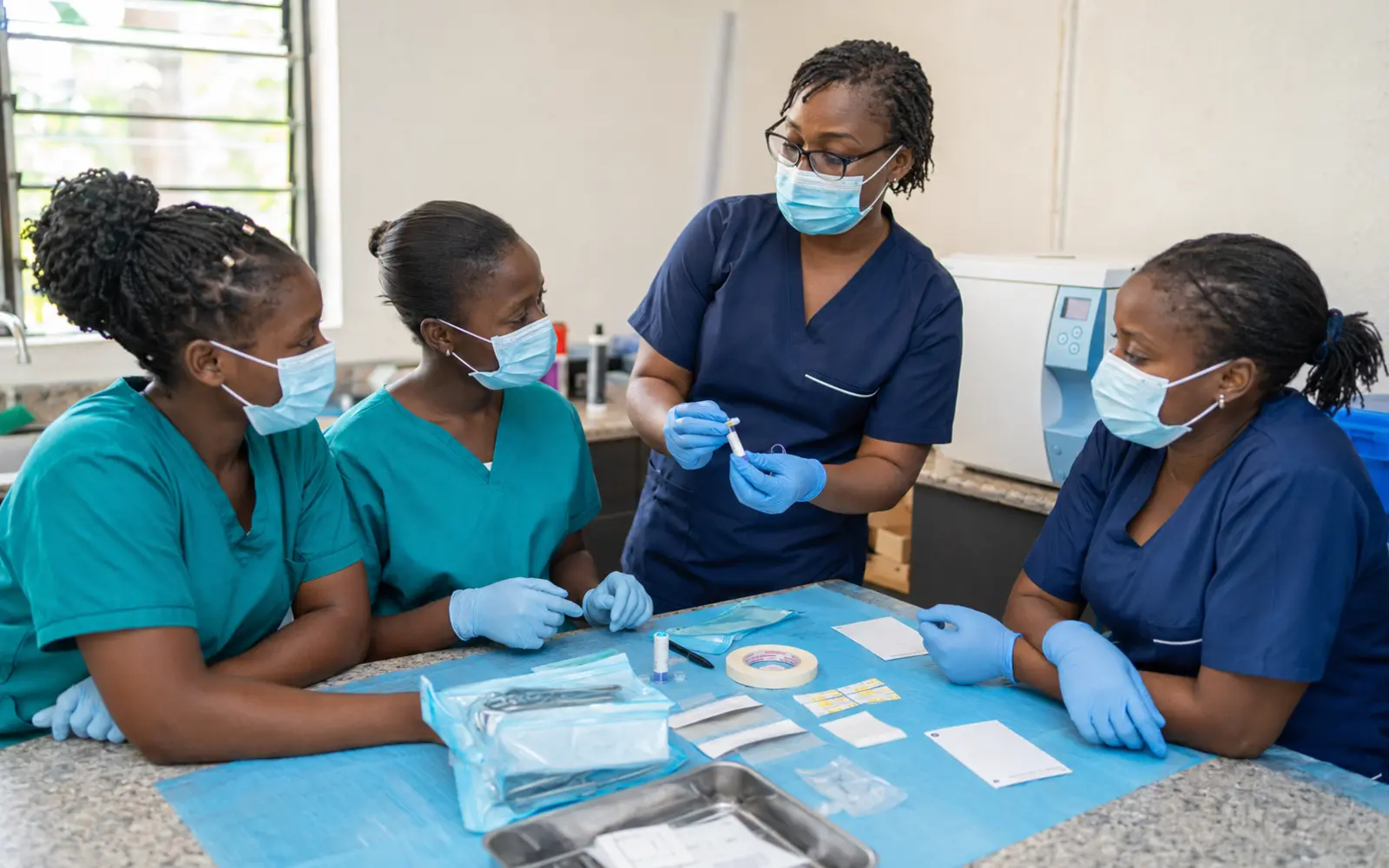
Before adoption, document who is responsible, which current instructions for use apply, how outcomes will be measured and what will trigger referral, retraining or a change in protocol. The goal of autoclave validation in dental clinics is to monitor every cycle, use chemical indicators as directed, perform biological monitoring on the required schedule and quarantine or recall loads after a confirmed failure.
- Verify water quality before implementation or purchase.
- Verify electricity stability before implementation or purchase.
- Verify indicator supply before implementation or purchase.
- Verify maintenance access before implementation or purchase.
- Verify documentation before implementation or purchase.
- Verify staff training before implementation or purchase.
- Verify packaging before implementation or purchase.
Use autoclave validation in dental clinics as an operational decision that is reviewed after real cases. Record complications, remakes, chair time, consumable use, stock-outs and team feedback, then refine the protocol from evidence rather than marketing claims.
Related Denta24 reading: quality standards for dental surgical instruments. This context helps place autoclave validation in dental clinics within a broader clinical and digital strategy.
Conclusion
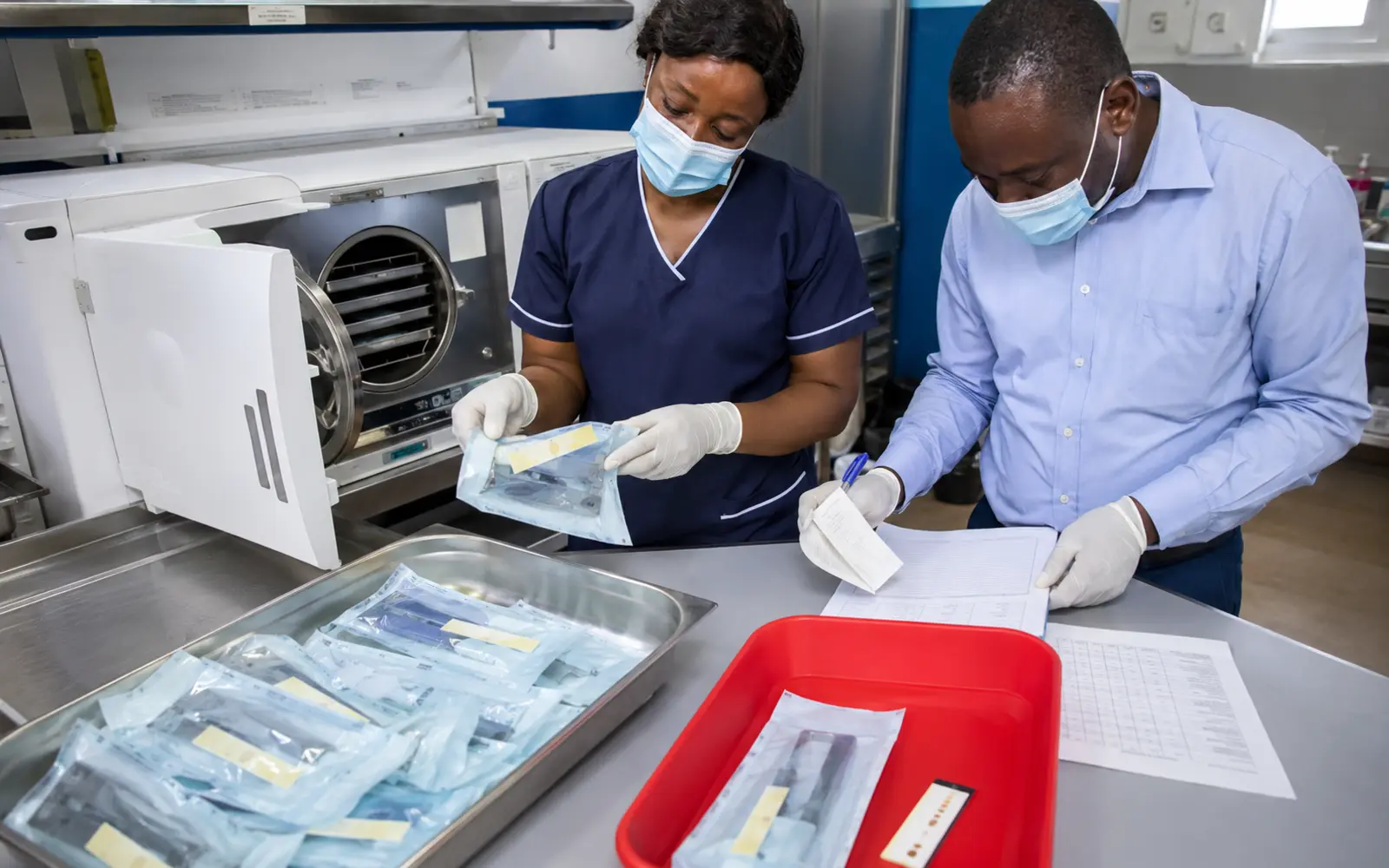
Autoclave Validation In Dental Clinics succeeds when the evidence, local workflow and review plan remain aligned. Sterilization safety comes from a controlled system, not from the autoclave alone. Mechanical, chemical and biological monitoring, traceability and a clear failure response protect patients, staff and the clinic.
Frequently Asked Questions
What is autoclave validation?
For context, autoclave validation in dental clinics should always be adapted to the individual case and the current evidence. It is documented confirmation that the sterilization process consistently reaches the required conditions.
What is mechanical monitoring?
It reviews time, temperature and pressure for each cycle.
What is a chemical indicator?
It changes in response to selected process conditions and helps verify package or load exposure.
What is a biological indicator?
It uses resistant spores to challenge sterilization performance.
How often should biological monitoring be performed?
Follow local regulation and recognized guidance; frequency may increase for special loads or after repairs.
Can a color change prove sterility?
No. Chemical indicators must be interpreted with other monitoring and correct processing.
What records should be kept?
Keep load identification, parameters, indicators, contents, operator and corrective actions.
What happens after a failed indicator?
Quarantine affected items, investigate, repeat testing and follow the recall procedure.
How should instruments be loaded?
Arrange packages to allow steam contact and drying without overloading.
Who should manage the program?
A trained infection-prevention coordinator should oversee procedures, records and education.
References and Further Reading
- CDC dental sterilization monitoring
- CDC infection-prevention checklist
- Denta24 devices and equipment
Professional disclaimer: Follow applicable national infection-control regulations and the sterilizer and indicator manufacturers’ instructions.


