 Endodontic Rotary Files
 Finishing Burs
 High-Speed Burs
 Low-Speed Drills
 Cosmetic Accessories
 Home Whitening Kits
 Clinic Whitening Kits
 Implant Accessories
 Implant Fixtures
 Prosthetic Components
 Surgical Implant Tools
 CAD & CAM Materials
 Lab Consumables
 Lab Equipment
 Digital Dentistry Devices
 Endodontic Equipment
 General Clinic Equipment
 Restorative Equipment
 Surgical Equipment
 Hand Files
 Irrigation & Medicaments
 Post & Core
 Rotary Files
 Sealers
 Brackets & Wires
 Clear Aligners
 Orthodontic Accessories
 Bonding & Adhesive Systems
 Finishing & Polishing
 Matrix Systems
 Etching Materials
 Composite Materials
 Occlusion Checking
 Bone & Grafting Materials
 Surgical Accessories
 Surgical Consumables
 Cementation
 Impression & Registration Materials
 Temporary Restorations
 Periodontal Instruments & Accessories
 Periodontal Treatment Materials


Selective Etch vs Total Etch: A Practical Adhesive Dentistry Guide

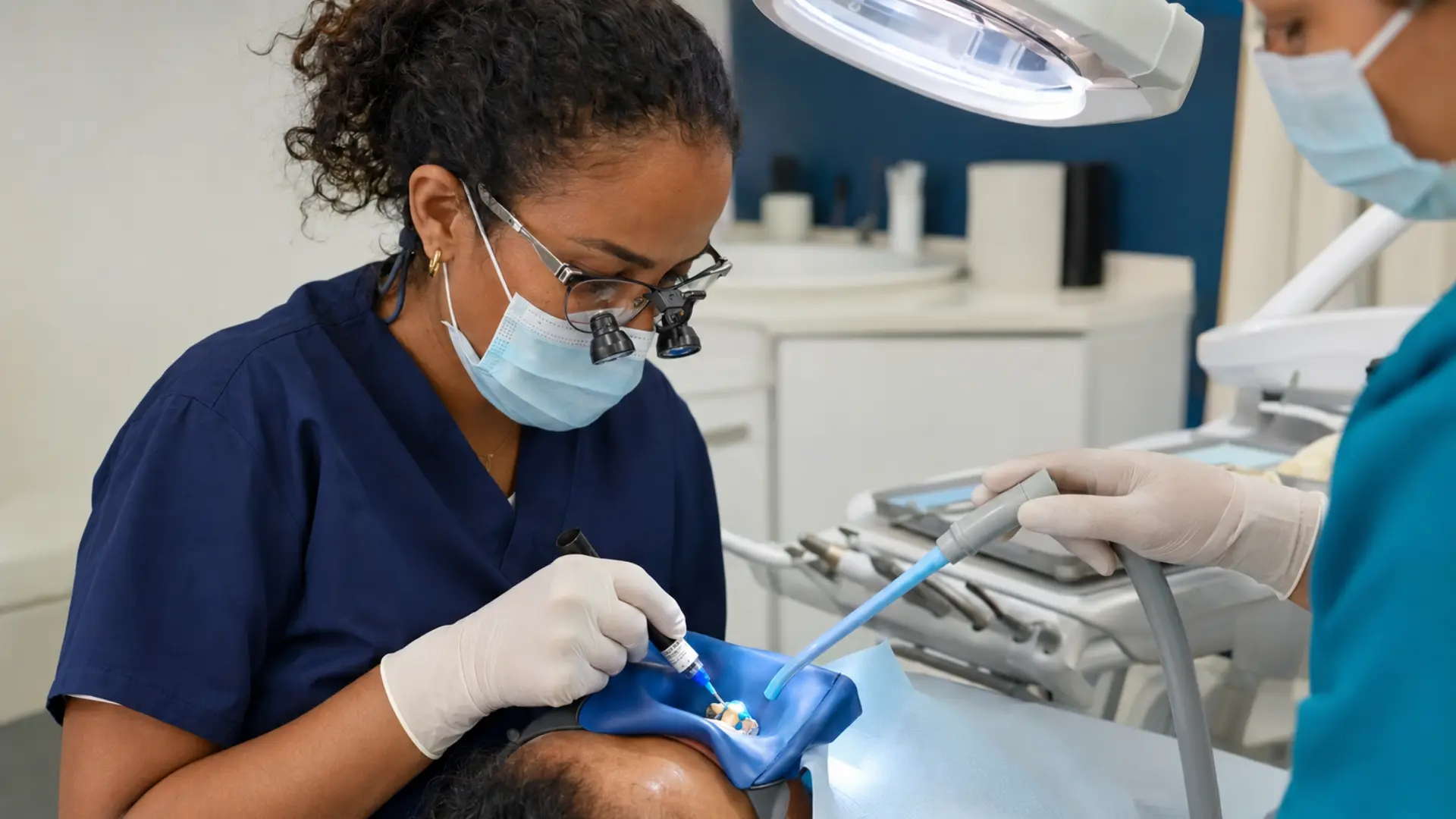
Selective Etch Vs Total Etch should be evaluated through clinical evidence, workflow fit and local operating conditions. A sound selective etch vs total etch decision connects verified performance with the team, patients and resources that will support it in daily practice.
Adhesive dentistry is often described through three terms: total-etch, self-etch and selective-etch. The terminology sounds simple, but the clinical result depends on understanding that enamel and dentin are different substrates.
Enamel generally benefits from phosphoric-acid conditioning. Dentin contains more water and organic structure, making it more sensitive to over-etching, overdrying and incomplete resin infiltration. The correct protocol is therefore the one validated for the adhesive system and controlled by the operator.
Quick answer: Selective enamel etching is a practical strategy with many universal adhesives because it improves enamel conditioning while avoiding unnecessary phosphoric-acid treatment of dentin. Total-etch and self-etch protocols remain appropriate when specifically indicated and correctly performed.
Table of Contents
Total-Etch: How It Works
In a total-etch or etch-and-rinse protocol, phosphoric acid is applied to enamel and dentin. It is then rinsed before the primer and adhesive are applied.
Benefits include strong enamel micromechanical retention and a familiar protocol. The main risks are excessive dentin etching, overdrying, incomplete infiltration and postoperative sensitivity when technique is poor.
Self-Etch: How It Works
Self-etch systems use acidic monomers to condition and prime the surface without a separate phosphoric-acid step on dentin. They interact with the smear layer rather than removing it completely.
Self-etch protocols can be less technique-sensitive on dentin, but mild self-etch adhesives may not etch uncut enamel as effectively as phosphoric acid.
Selective Enamel Etching
Selective-etch combines the two approaches. Phosphoric acid is applied only to enamel margins, then rinsed. The universal adhesive is placed on enamel and dentin according to its instructions.
The main advantage is stronger enamel conditioning without increasing dentin technique sensitivity. The challenge is controlling the gel so it does not spread unnecessarily onto dentin.
Why Enamel and Dentin Need Different Thinking
Enamel is highly mineralized and responds predictably to acid by developing a microporous surface. Dentin contains fluid-filled tubules, collagen and more organic material. After phosphoric-acid etching, the exposed collagen must remain in a condition that allows adhesive infiltration.
This is why aggressive air drying after dentin etching can be harmful with certain systems.
Choose the Protocol from the Adhesive IFU
Universal adhesives do not all behave identically. Check:
- Permitted etch modes.
- Application time.
- Need for active rubbing.
- Number of coats.
- Air-drying method.
- Curing time and light requirements.
- Compatibility with dual-cure materials.
Do not combine an etching time from one manufacturer with an adhesive protocol from another unless the combination is validated.
Common Etching Errors
Over-etching dentin
Long etching can create a deeper demineralized zone than the adhesive can infiltrate.
Contaminating etched enamel
Saliva or blood contamination can reduce bonding. Reclean and manage according to the adhesive protocol.
Overdrying dentin
Some etch-and-rinse systems require visibly moist dentin. Desiccation can collapse collagen and reduce penetration.
Insufficient rinsing
Residual acid or debris may compromise the interface.
Poor solvent evaporation
Inadequate air drying can leave water or solvent and weaken polymerization.
Isolation and Moisture Control
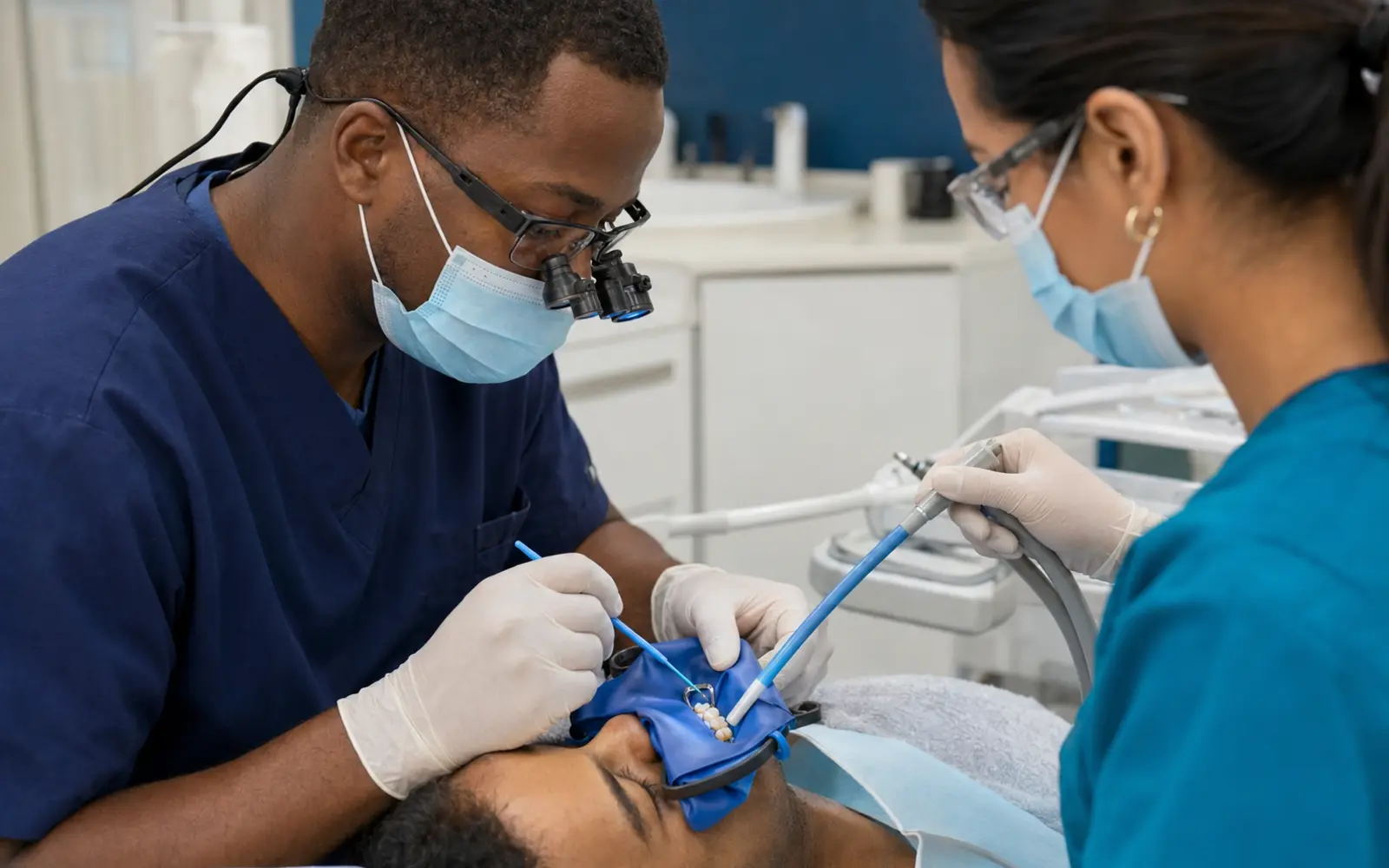
Rubber dam isolation improves control, visibility and patient safety. When a rubber dam cannot be used, employ effective suction, retraction and contamination management. Adhesive dentistry becomes less predictable when the field cannot be controlled.
Postoperative Sensitivity
Sensitivity may arise from pulpal diagnosis, over-etching, contamination, polymerization stress, incomplete curing or occlusal interference. It should not automatically be blamed on the etchant.
Use incremental placement when indicated, verify occlusion and investigate persistent or spontaneous symptoms.
Using FGM Condac 37
FGM Condac 37 is a phosphoric-acid etching gel listed by Denta24. Verify the current application time, substrate indications and handling directions from the official instructions. Its use should be coordinated with the selected adhesive system.
Chairside Decision Guide
- Mostly enamel preparation: phosphoric-acid etching is generally important.
- Mixed enamel and dentin with universal adhesive: selective enamel etching is often practical.
- Dentin-dominant preparation with moisture concerns: a validated self-etch protocol may reduce sensitivity to technique.
- Bonding to indirect materials: follow separate surface-treatment protocols for ceramic, zirconia, metal or composite.
What African Clinics Should Consider
A simplified protocol can reduce inconsistency when several dentists and assistants share materials. Standardize one or two adhesive workflows, display the steps in the operatory and avoid purchasing multiple systems that require conflicting techniques.
Monitor storage temperature and expiry, particularly during transport in hot climates.
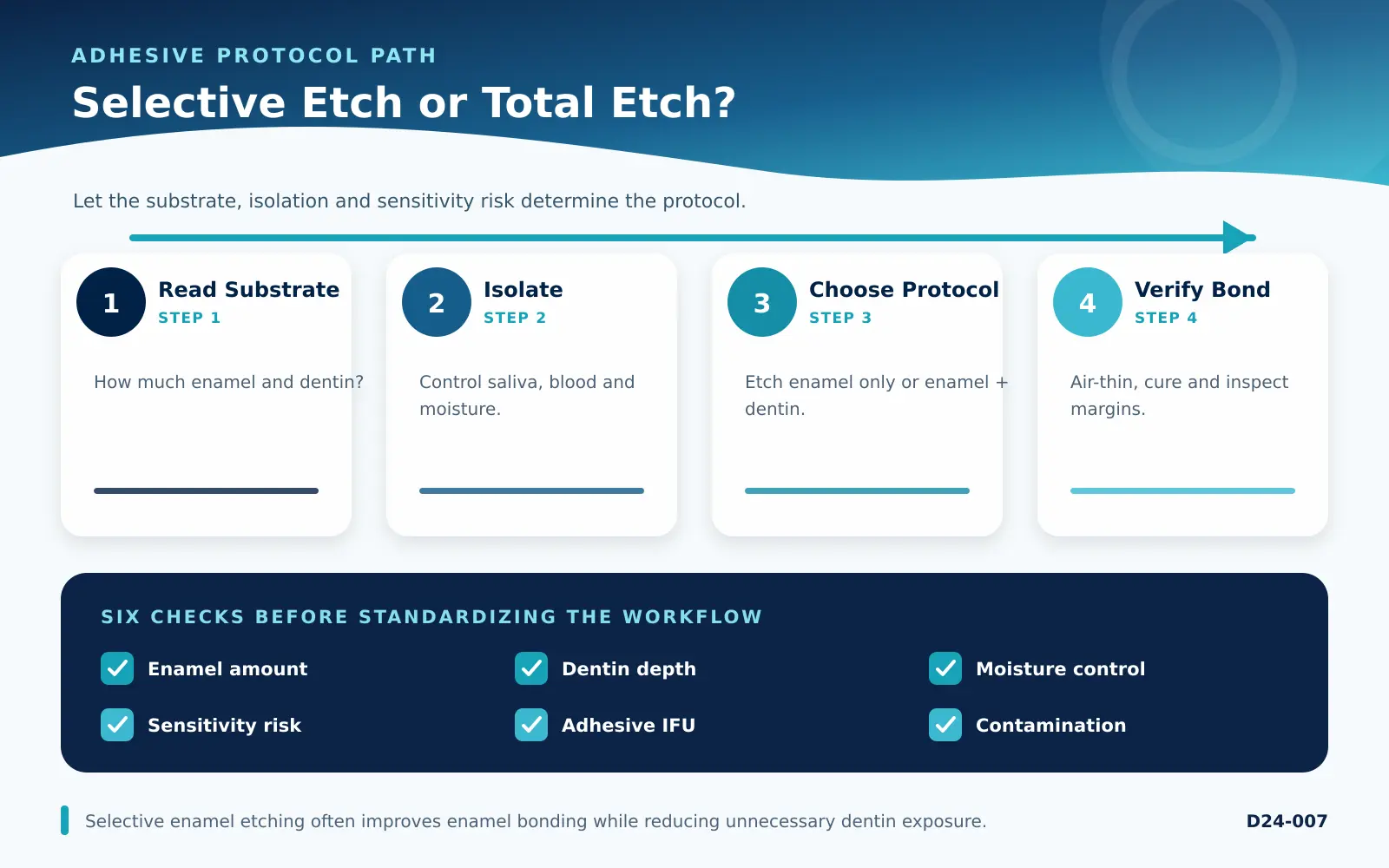
Selective Etch Vs Total Etch: Practical Checks for African Clinics
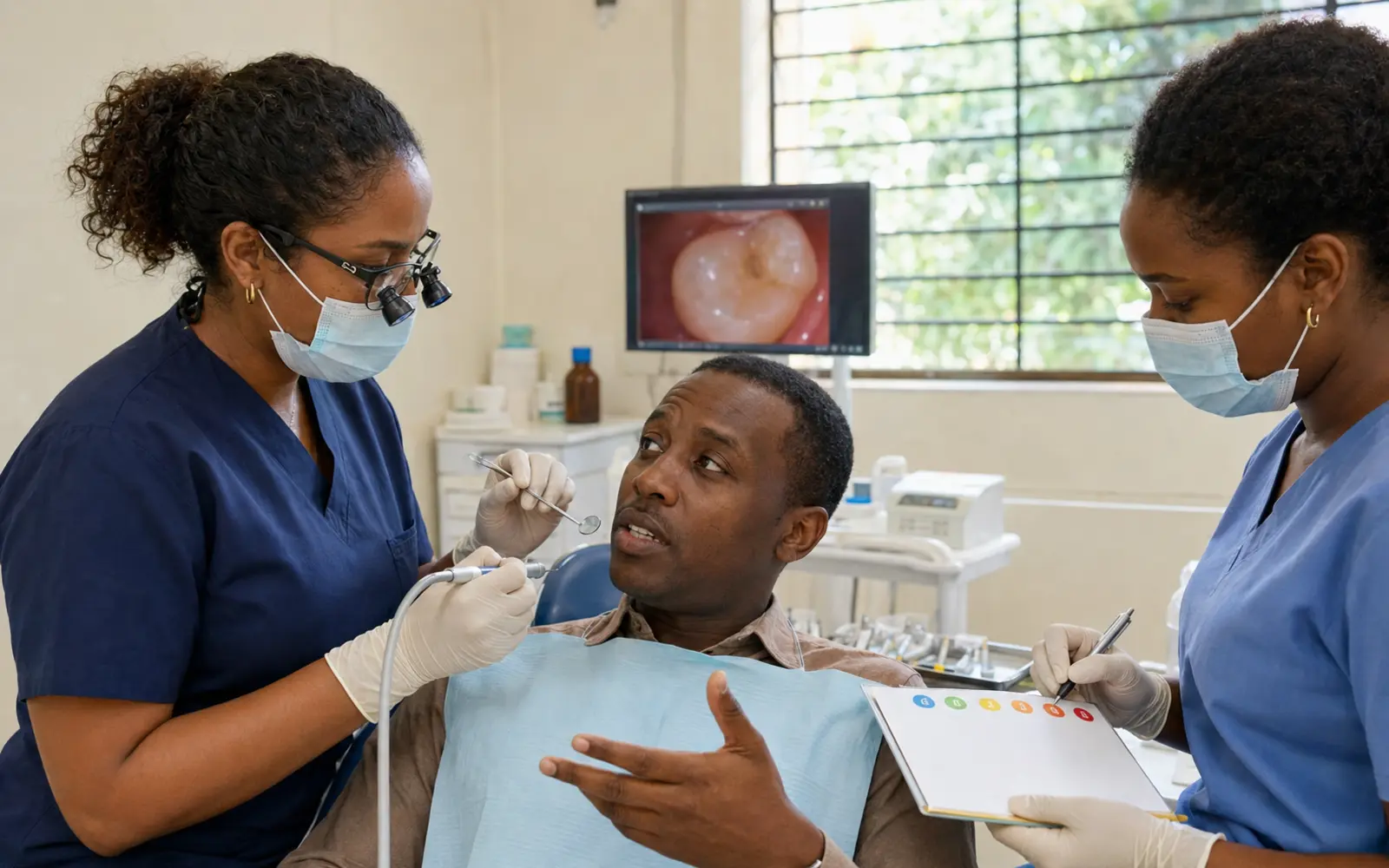
For African clinics, selective etch vs total etch is not a product-only decision. It must also account for isolation quality, humidity, chairside training, product storage, adhesive compatibility, curing-light performance and consistent protocol use. A resilient selective etch vs total etch plan should remain workable when supply, connectivity, service access or patient follow-up is less predictable than expected.
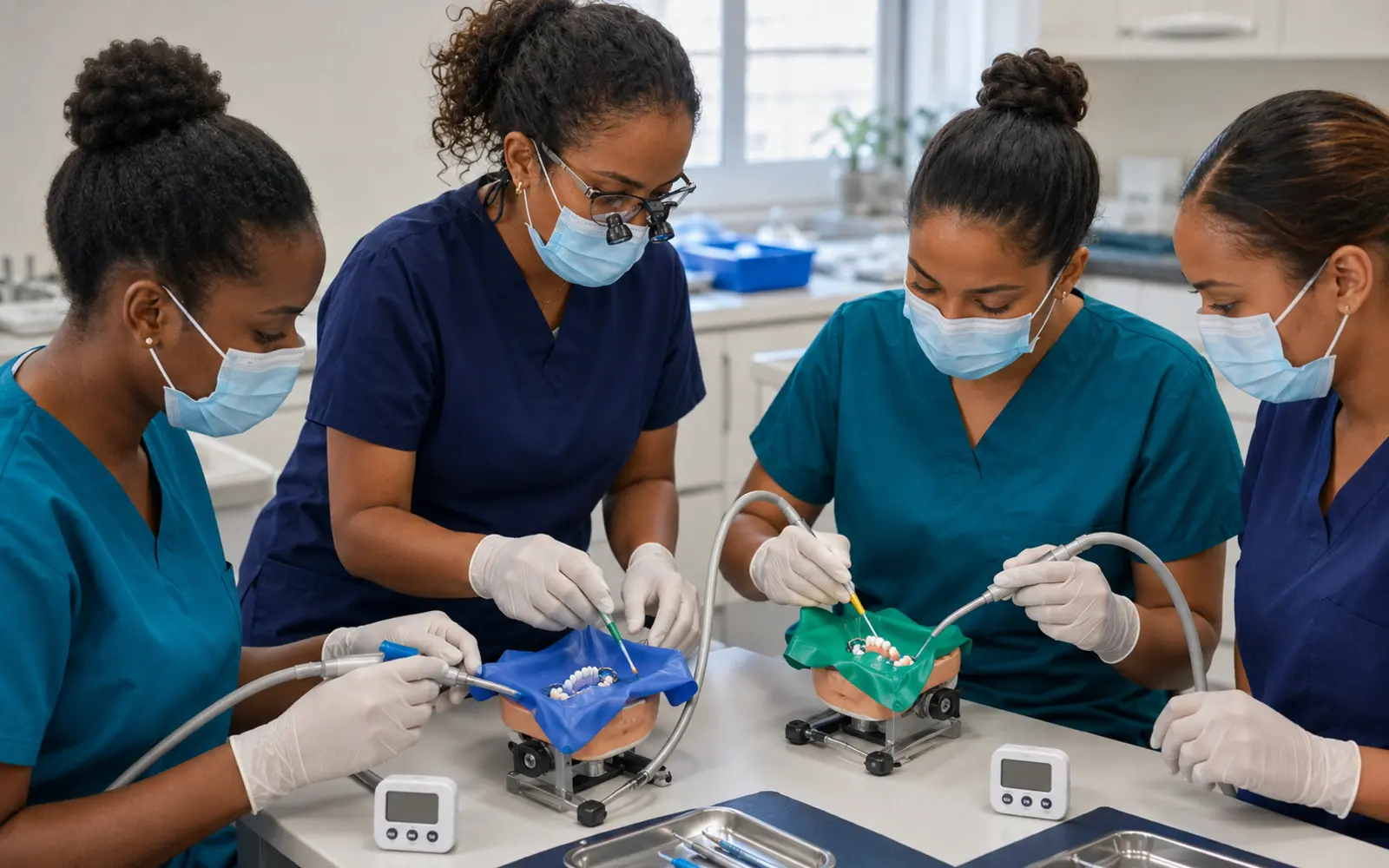
Before adoption, document who is responsible, which current instructions for use apply, how outcomes will be measured and what will trigger referral, retraining or a change in protocol. The goal of selective etch vs total etch is to match the etching strategy to the substrate and adhesive instructions, protect dentin from over-etching and standardize the sequence for the whole clinical team.
- Verify isolation quality before implementation or purchase.
- Verify humidity before implementation or purchase.
- Verify chairside training before implementation or purchase.
- Verify product storage before implementation or purchase.
- Verify adhesive compatibility before implementation or purchase.
- Verify curing-light performance and consistent protocol use before implementation or purchase.
Use selective etch vs total etch as an operational decision that is reviewed after real cases. Record complications, remakes, chair time, consumable use, stock-outs and team feedback, then refine the protocol from evidence rather than marketing claims.
Related Denta24 reading: guide to selecting dental materials. This context helps place selective etch vs total etch within a broader clinical and digital strategy.
Conclusion
Selective Etch Vs Total Etch succeeds when the evidence, local workflow and review plan remain aligned. Successful adhesion comes from matching the etch strategy to enamel, dentin and the adhesive system. Selective enamel etching is valuable, but it is not a substitute for isolation, active adhesive application, solvent evaporation and adequate curing.
Frequently Asked Questions
What is total-etch bonding?
For context, selective etch vs total etch should always be adapted to the individual case and the current evidence. Phosphoric acid is applied to enamel and dentin, rinsed and followed by the adhesive protocol.
What is self-etch bonding?
An acidic primer or universal adhesive conditions the smear layer without separate phosphoric-acid dentin etching.
What is selective enamel etching?
Phosphoric acid is limited to enamel before a self-etching or universal adhesive is applied to the preparation.
Which strategy gives the strongest enamel bond?
Correct phosphoric-acid conditioning generally improves enamel micromechanical retention.
Can dentin be over-etched?
Yes. Excessive etching can create a demineralized zone that is difficult to infiltrate completely.
Why is dentin moisture important?
Overdrying can collapse collagen with some systems, while excessive water can dilute the adhesive.
Does every universal adhesive work with every protocol?
No. The manufacturer must specify the allowed etch mode and application sequence.
How can sensitivity be reduced?
Use correct diagnosis, controlled etching, isolation, active application, solvent evaporation, curing and occlusal adjustment.
How long should enamel be etched?
Follow the product and adhesive manufacturer’s current validated timing.
What is a practical default strategy?
Selective enamel etching is practical with many universal adhesives, but the specific IFU takes priority.
References and Further Reading
- Selective enamel etching and universal adhesives
- Universal adhesive clinical evidence
- FGM Condac 37 on Denta24
Professional disclaimer: Adhesive protocols are product-specific. Follow the current instructions for both etchant and adhesive.


