
 Endodontic Rotary Files
 Finishing Burs
 High-Speed Burs
 Low-Speed Drills
 Cosmetic Accessories
 Home Whitening Kits
 Clinic Whitening Kits
 Implant Accessories
 Implant Fixtures
 Prosthetic Components
 Surgical Implant Tools
 CAD & CAM Materials
 Lab Consumables
 Lab Equipment
 Digital Dentistry Devices
 Endodontic Equipment
 General Clinic Equipment
 Restorative Equipment
 Surgical Equipment
 Hand Files
 Irrigation & Medicaments
 Post & Core
 Rotary Files
 Sealers
 Brackets & Wires
 Clear Aligners
 Orthodontic Accessories
 Bonding & Adhesive Systems
 Finishing & Polishing
 Matrix Systems
 Etching Materials
 Composite Materials
 Occlusion Checking
 Bone & Grafting Materials
 Surgical Accessories
 Surgical Consumables
 Cementation
 Impression & Registration Materials
 Temporary Restorations
 Periodontal Instruments & Accessories
 Periodontal Treatment Materials


Extrinsic Tooth Stains vs Bleaching: Choosing the Right Clinical Approach


Extrinsic Tooth Stains Vs Bleaching should be evaluated through clinical evidence, workflow fit and local operating conditions. A sound extrinsic tooth stains vs bleaching decision connects verified performance with the team, patients and resources that will support it in daily practice.
Patients often use the word “whitening” for every type of discoloration. Clinically, the first task is to determine whether the color is on the surface, within the tooth or related to a restoration. Treating the wrong problem can expose the patient to unnecessary cost and sensitivity without delivering the expected result.
Quick answer: Extrinsic stains may respond to professional cleaning, polishing or a targeted stain-removal system. Intrinsic discoloration may require bleaching, microabrasion, internal bleaching or restorative treatment depending on the cause.
Table of Contents
Extrinsic Stains
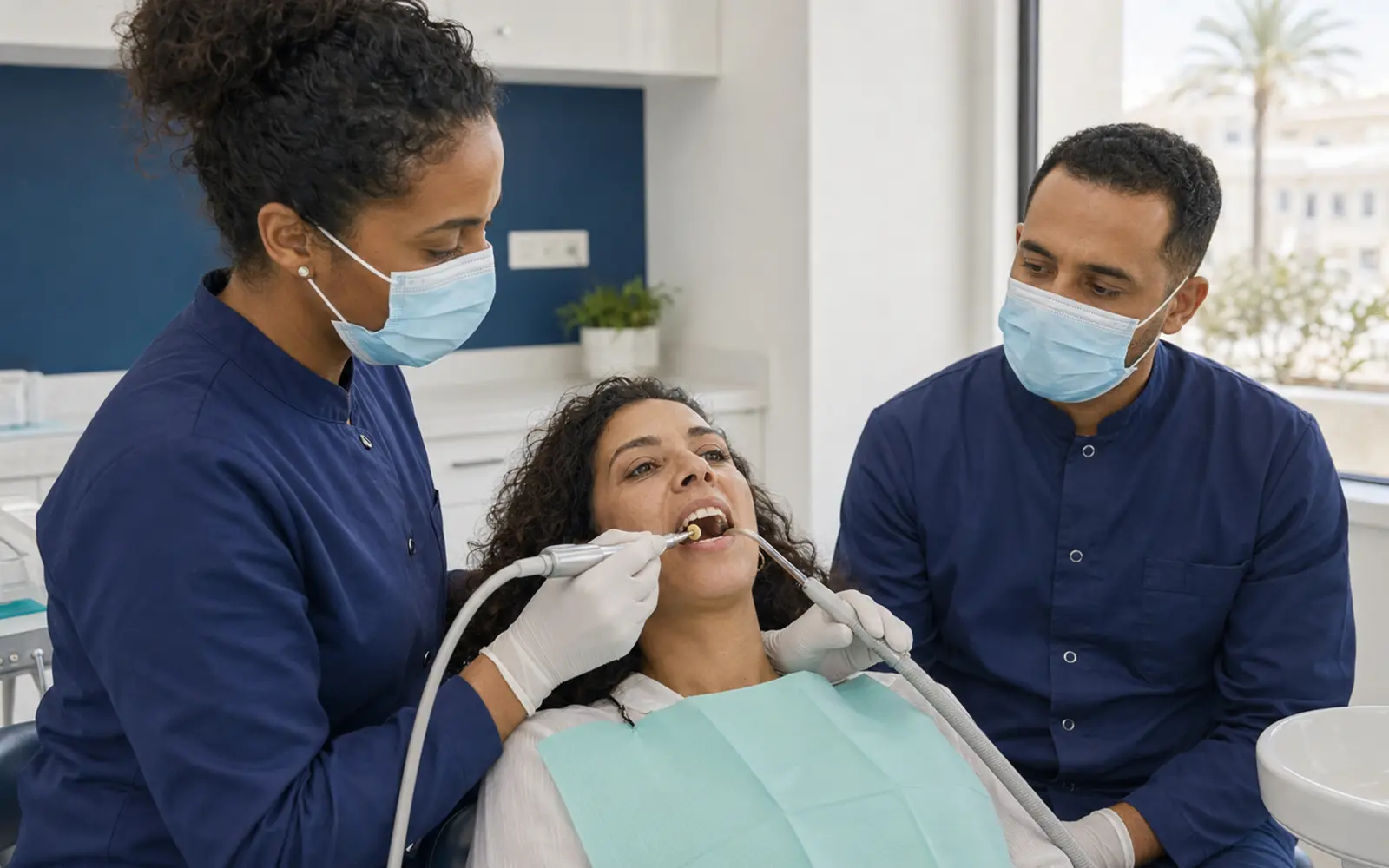
Extrinsic discoloration forms on the tooth surface. Common contributors include:
- Tobacco.
- Coffee and tea.
- Red wine and dark beverages.
- Chromogenic foods.
- Plaque and calculus.
- Certain rinses or medications.
- Occupational or environmental exposure.
Surface stains may be localized or generalized and can often be removed without changing the intrinsic tooth color.
Intrinsic Discoloration
Intrinsic color changes develop within enamel or dentin. Causes may include:
- Age-related dentin changes.
- Developmental defects.
- Fluorosis.
- Tetracycline exposure.
- Trauma and pulpal changes.
- Previous endodontic treatment.
- Internal resorption or pathology.
The treatment depends on diagnosis. Bleaching does not change the color of composite, ceramic or metal restorations.
Clinical Assessment
Take a history of onset, diet, tobacco, medication, trauma, whitening and dental treatment. Examine the teeth dry and wet, assess plaque and periodontal health and evaluate restorations.
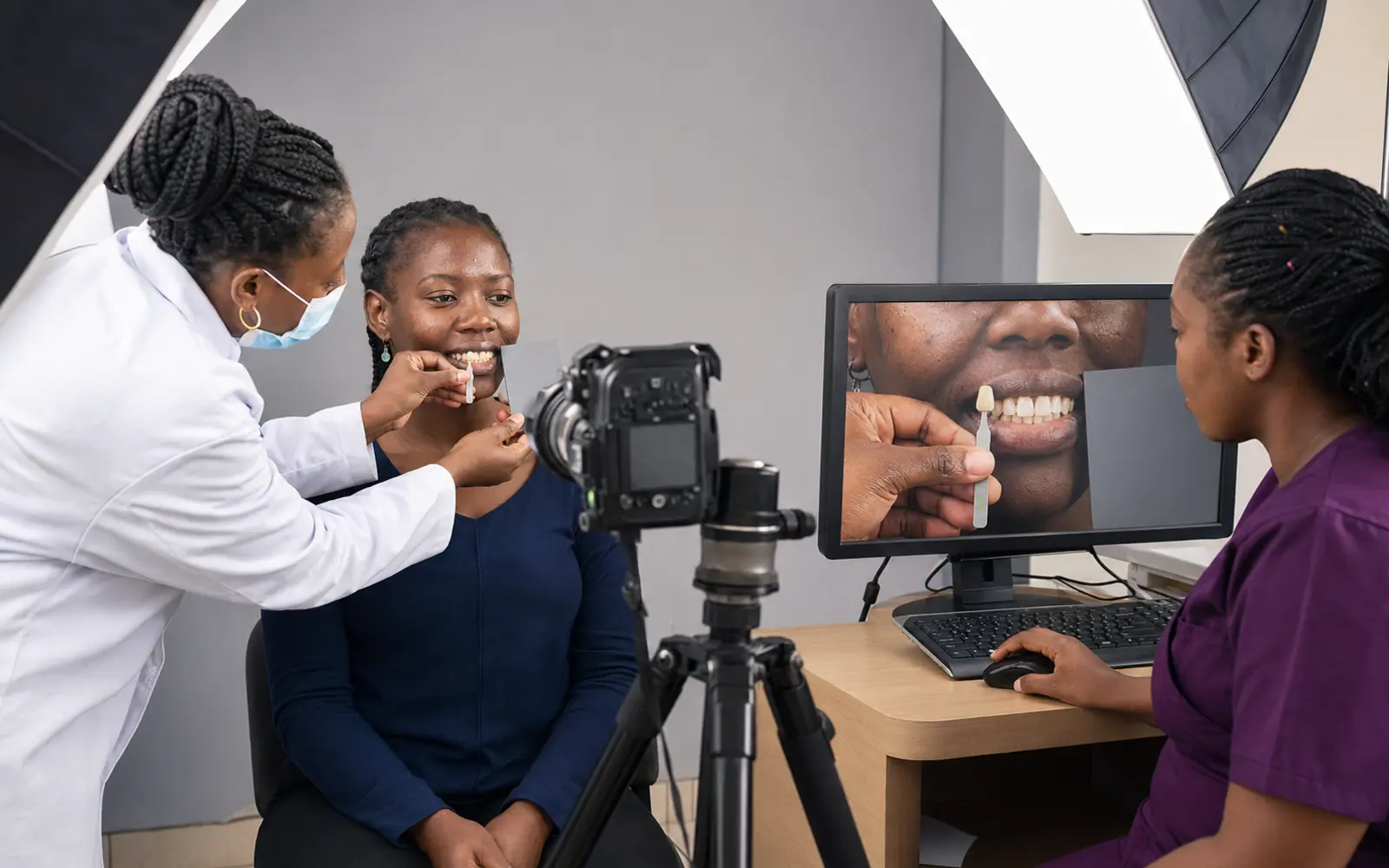
Record baseline shade and photographs under standardized lighting. If one tooth is darker, test vitality and investigate trauma or endodontic causes.
When Prophylaxis Is Enough
Soft deposits and mild surface staining may respond to routine professional cleaning. Use an appropriate polishing paste and technique, avoiding excessive abrasion.
If stains return rapidly, address the cause rather than repeating aggressive polishing.
When a Targeted Stain Remover Is Appropriate
Some professional systems are designed for specific surface stains or enamel defects. Use them only for the indications described by the manufacturer. Protect soft tissues and control application time.
The objective is selective removal or modification, not unnecessary removal of sound enamel.
When Bleaching Is Appropriate
Peroxide-based bleaching can lighten responsive natural tooth structure. Options include supervised home whitening and in-office protocols.
Before bleaching:
- Treat caries and active periodontal disease.
- Evaluate cracks and sensitivity.
- Discuss existing restorations.
- Set realistic expectations.
- Record shade and consent.
When Bleaching Will Not Solve the Problem
Bleaching may have limited effect on some severe developmental discolorations. It will not lighten crowns, veneers, fillings or implant restorations. A mismatch may become more visible after natural teeth are whitened.
Microabrasion and Restorative Options
Superficial enamel defects may respond to microabrasion when correctly diagnosed. Deeper, localized or structural problems may require resin infiltration, direct composite, veneers or crowns.
Choose the least invasive method capable of achieving the patient’s goal.
Managing Sensitivity
Assess baseline sensitivity and use the minimum effective intervention. Aggressive stain removal and bleaching should not be combined without a clear protocol. If pain becomes spontaneous or persistent, stop treatment and reassess.
FGM Whiteness RM
FGM Whiteness RM is listed by Denta24 as a professional stain-removal product. Confirm its current indications, application sequence, contraindications and soft-tissue protection requirements from the official instructions.
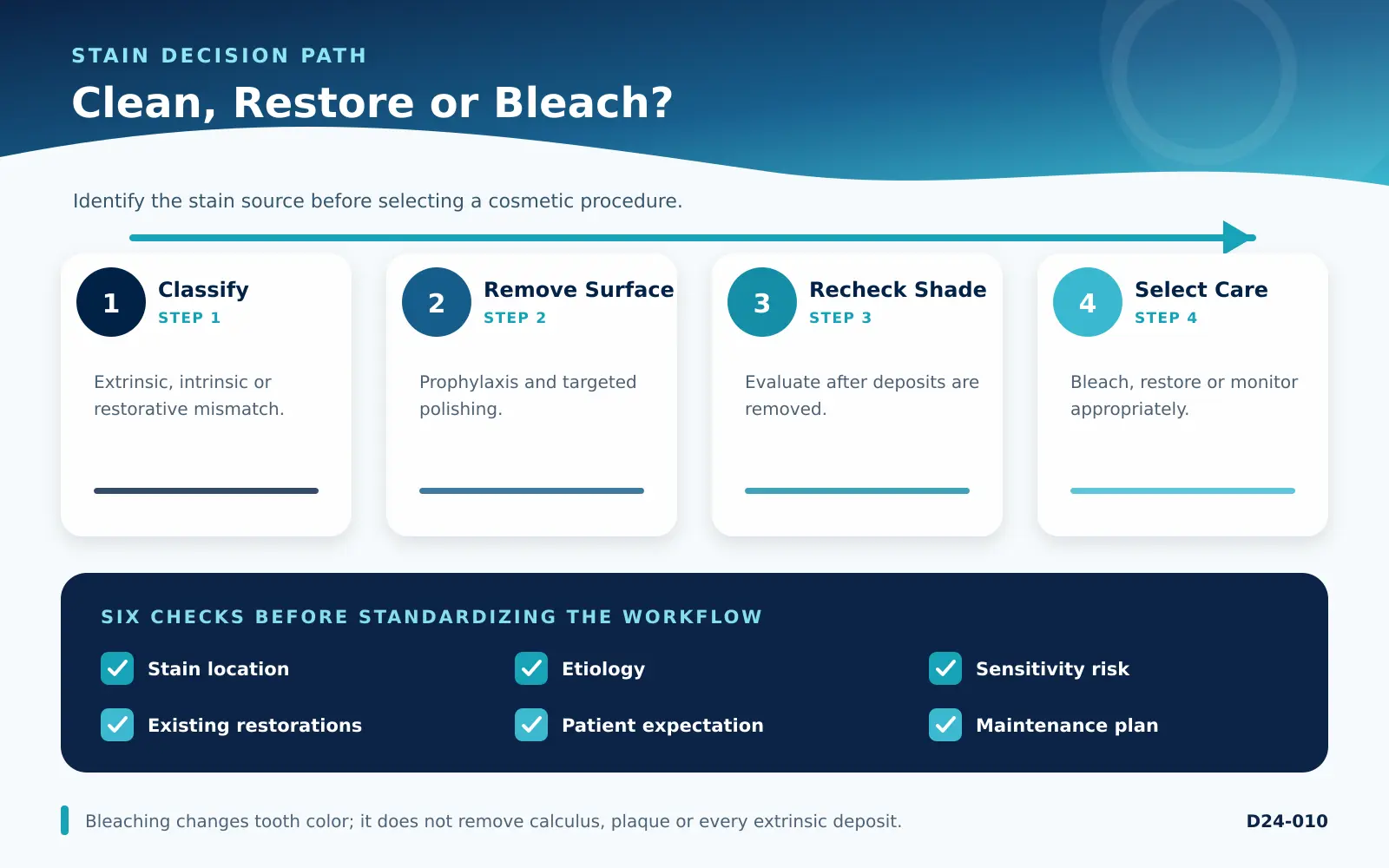
A Decision Pathway
- Determine whether discoloration is extrinsic, intrinsic or restorative.
- Identify disease or structural defects.
- Begin with the least invasive suitable method.
- Evaluate the result before escalating treatment.
- Plan replacement of visible restorations only after final shade stabilizes.
African Clinic Considerations
Cost-conscious treatment planning is important. Avoid presenting full bleaching as the automatic solution when localized stain removal or prophylaxis may be sufficient. Provide patients with written maintenance advice and explain the role of tobacco, beverages and oral hygiene.
Extrinsic Tooth Stains Vs Bleaching: Practical Checks for African Clinics
For African clinics, extrinsic tooth stains vs bleaching is not a product-only decision. It must also account for stain cause, caries and periodontal screening, sensitivity risk, access to supervised whitening, product storage, patient expectations and follow-up. A resilient extrinsic tooth stains vs bleaching plan should remain workable when supply, connectivity, service access or patient follow-up is less predictable than expected.

Before adoption, document who is responsible, which current instructions for use apply, how outcomes will be measured and what will trigger referral, retraining or a change in protocol. The goal of extrinsic tooth stains vs bleaching is to distinguish removable surface stain from intrinsic discoloration and avoid bleaching when diagnosis, disease control or restoration planning has not been completed.
- Verify stain cause before implementation or purchase.
- Verify caries and periodontal screening before implementation or purchase.
- Verify sensitivity risk before implementation or purchase.
- Verify access to supervised whitening before implementation or purchase.
- Verify product storage before implementation or purchase.
- Verify patient expectations and follow-up before implementation or purchase.
Use extrinsic tooth stains vs bleaching as an operational decision that is reviewed after real cases. Record complications, remakes, chair time, consumable use, stock-outs and team feedback, then refine the protocol from evidence rather than marketing claims.
Related Denta24 reading: high-quality dental material selection. This context helps place extrinsic tooth stains vs bleaching within a broader clinical and digital strategy.
Conclusion
Extrinsic Tooth Stains Vs Bleaching succeeds when the evidence, local workflow and review plan remain aligned. Successful aesthetic treatment begins with diagnosing the source of discoloration. By separating extrinsic stain from intrinsic color change, dentists can choose a safer, more conservative and more predictable approach.
Frequently Asked Questions
What is an extrinsic tooth stain?
For context, extrinsic tooth stains vs bleaching should always be adapted to the individual case and the current evidence. It is discoloration deposited on the external surface from sources such as tobacco, beverages, plaque or chromogenic products.
What is intrinsic discoloration?
It develops within enamel or dentin and may result from development, trauma, medication, aging or pulpal changes.
Can all stains be removed by polishing?
No. Polishing works for some surface deposits but not for deeper or chemically resistant discoloration.
When is bleaching appropriate?
When natural tooth structure is likely to respond to peroxide and the teeth and soft tissues are healthy.
When will bleaching not solve the problem?
It will not change restoration color and may not fully correct some developmental or structural discolorations.
What should be checked before treatment?
Check caries, cracks, restorations, periodontal health, sensitivity, enamel defects and patient expectations.
Can aggressive stain removal damage enamel?
Yes. Excessive abrasion or inappropriate chemicals can alter the tooth surface.
Why record the shade before treatment?
Baseline records support diagnosis, consent and objective evaluation of the result.
How does Whiteness RM fit into planning?
Use it according to its official targeted indication, not as a substitute for every whitening method.
How can recurrence be reduced?
Address tobacco, dietary chromogens, plaque control and maintenance while setting realistic expectations.
References and Further Reading
Professional disclaimer: Cosmetic treatment should follow clinical diagnosis and informed consent. Product indications and exposure times are manufacturer-specific.