 Endodontic Rotary Files
 Finishing Burs
 High-Speed Burs
 Low-Speed Drills
 Cosmetic Accessories
 Home Whitening Kits
 Clinic Whitening Kits
 Implant Accessories
 Implant Fixtures
 Prosthetic Components
 Surgical Implant Tools
 CAD & CAM Materials
 Lab Consumables
 Lab Equipment
 Digital Dentistry Devices
 Endodontic Equipment
 General Clinic Equipment
 Restorative Equipment
 Surgical Equipment
 Hand Files
 Irrigation & Medicaments
 Post & Core
 Rotary Files
 Sealers
 Brackets & Wires
 Clear Aligners
 Orthodontic Accessories
 Bonding & Adhesive Systems
 Finishing & Polishing
 Matrix Systems
 Etching Materials
 Composite Materials
 Occlusion Checking
 Bone & Grafting Materials
 Surgical Accessories
 Surgical Consumables
 Cementation
 Impression & Registration Materials
 Temporary Restorations
 Periodontal Instruments & Accessories
 Periodontal Treatment Materials


Dental 3D Printing vs Milling: Which Technology Should a Laboratory Buy First?

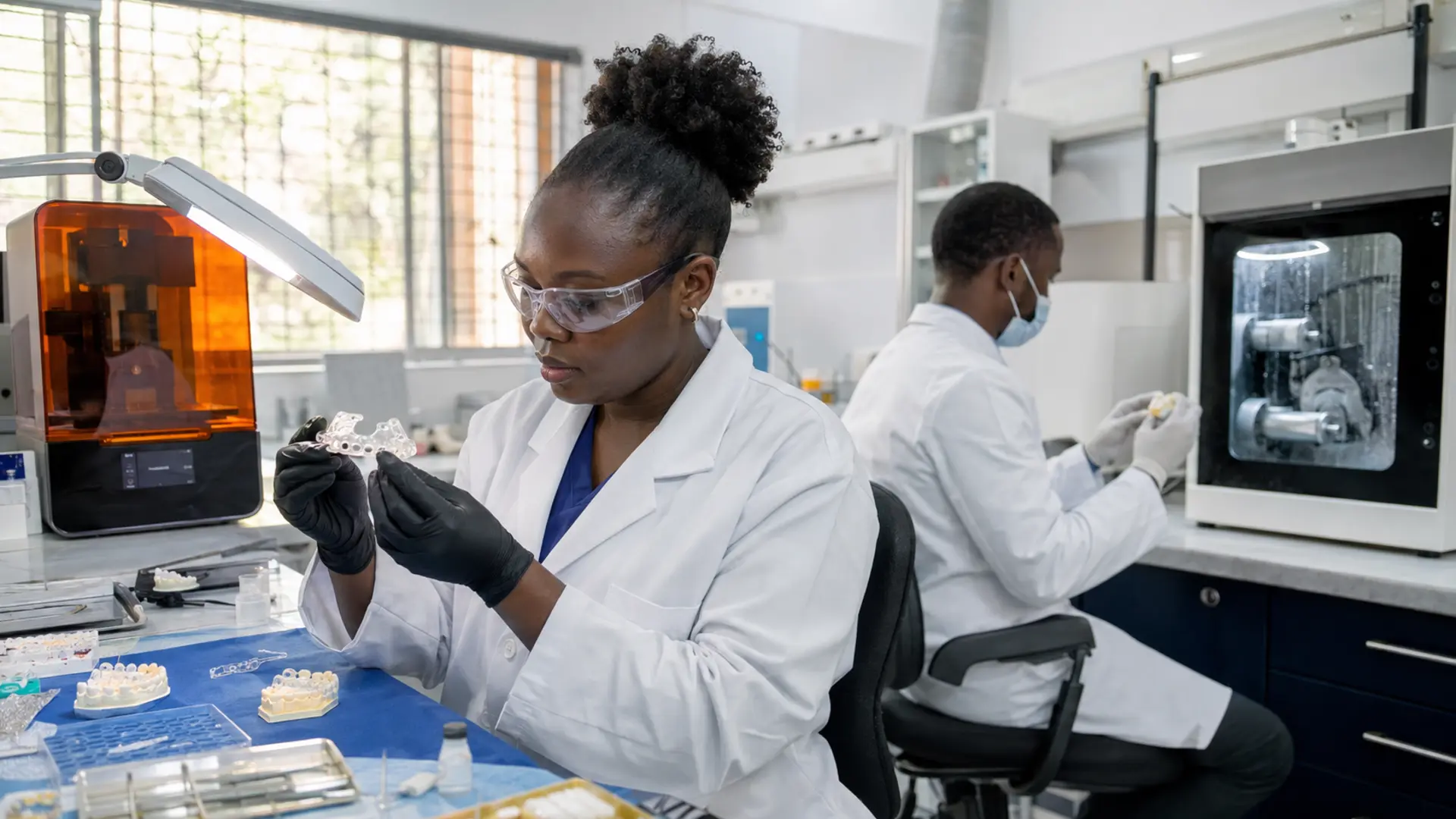
Dental 3D Printing Vs Milling should be evaluated through clinical evidence, workflow fit and local operating conditions. A sound dental 3D printing vs milling decision connects verified performance with the team, patients and resources that will support it in daily practice.
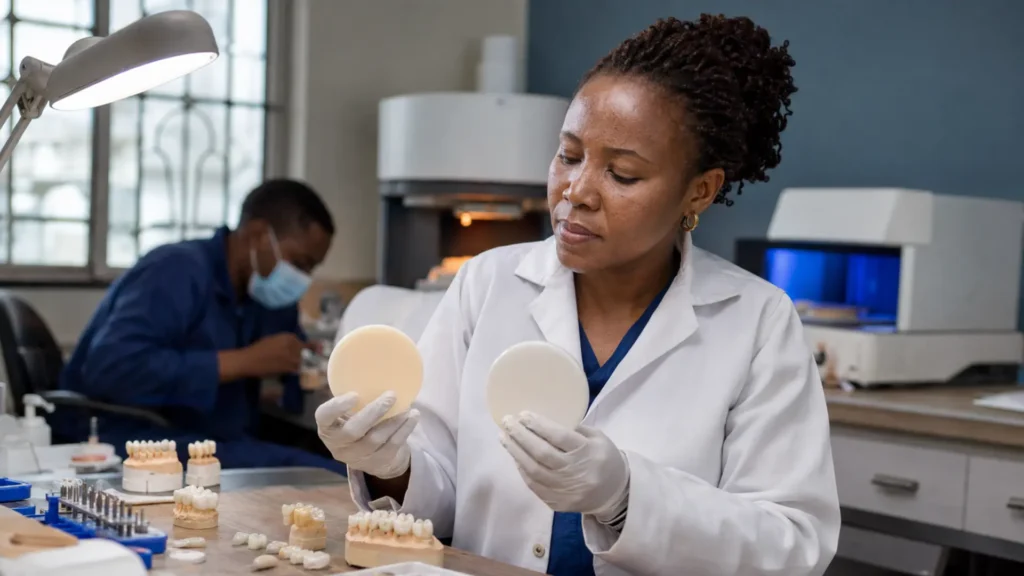
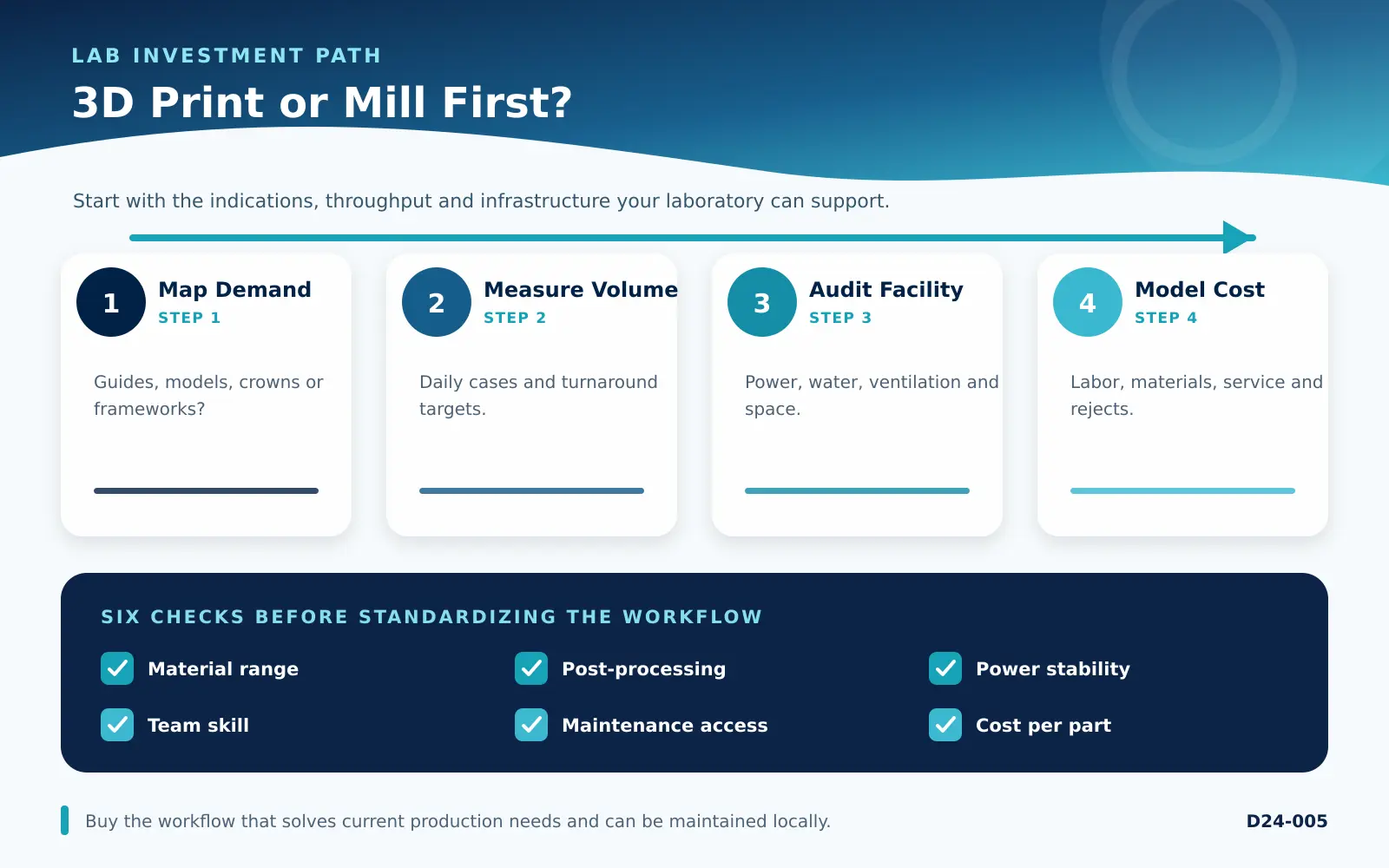
Dental laboratories often reach a point where outsourcing limits speed, margin or control. The next investment may be a 3D printer, a milling machine or both. The right answer depends on the products the laboratory actually delivers—not on which technology receives more attention online.
Printing and milling are complementary. Printing is efficient for many resin-based products and batch production. Milling remains central for zirconia, glass ceramics, metals and high-precision subtractive workflows.
Quick answer: A laboratory should buy the technology that replaces its highest and most predictable outsourcing expense. Choose 3D printing first for models, guides, splints and resin applications; choose milling first when zirconia and CAD/CAM restorations form the core business.
Table of Contents
How the Technologies Differ
3D printing is additive manufacturing. The machine builds an object layer by layer from resin or another validated material.
Milling is subtractive manufacturing. A block or disc is cut with rotary tools until the restoration reaches the designed shape.
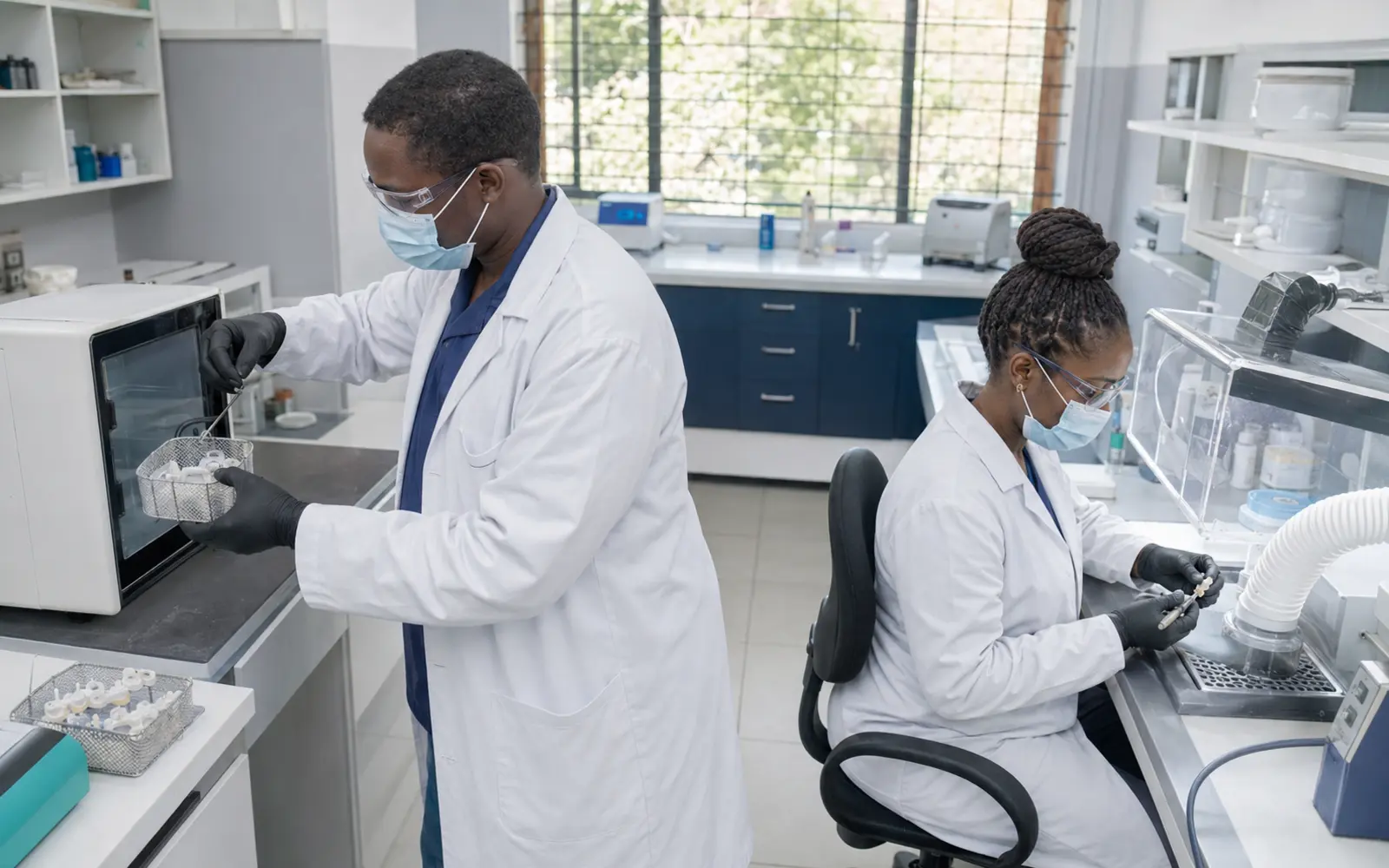
Best Applications for Dental 3D Printing
Depending on the printer and validated materials, printing may be used for:
- Diagnostic and working models.
- Surgical guides.
- Occlusal splints.
- Custom trays.
- Temporary crowns and bridges.
- Denture bases and teeth.
- Gingival masks and laboratory aids.
The printer, resin, software, washing and curing process should be validated as one system. A general-purpose resin is not automatically suitable for intraoral use.
Best Applications for Milling
Milling is widely used for:
- Zirconia crowns and bridges.
- PMMA provisionals and dentures.
- Wax patterns.
- Glass-ceramic restorations.
- Hybrid ceramics.
- Metal or titanium components with suitable equipment.
The machine’s number of axes, spindle, wet or dry configuration, tool management and material indications determine what it can produce.
Accuracy and Surface Quality
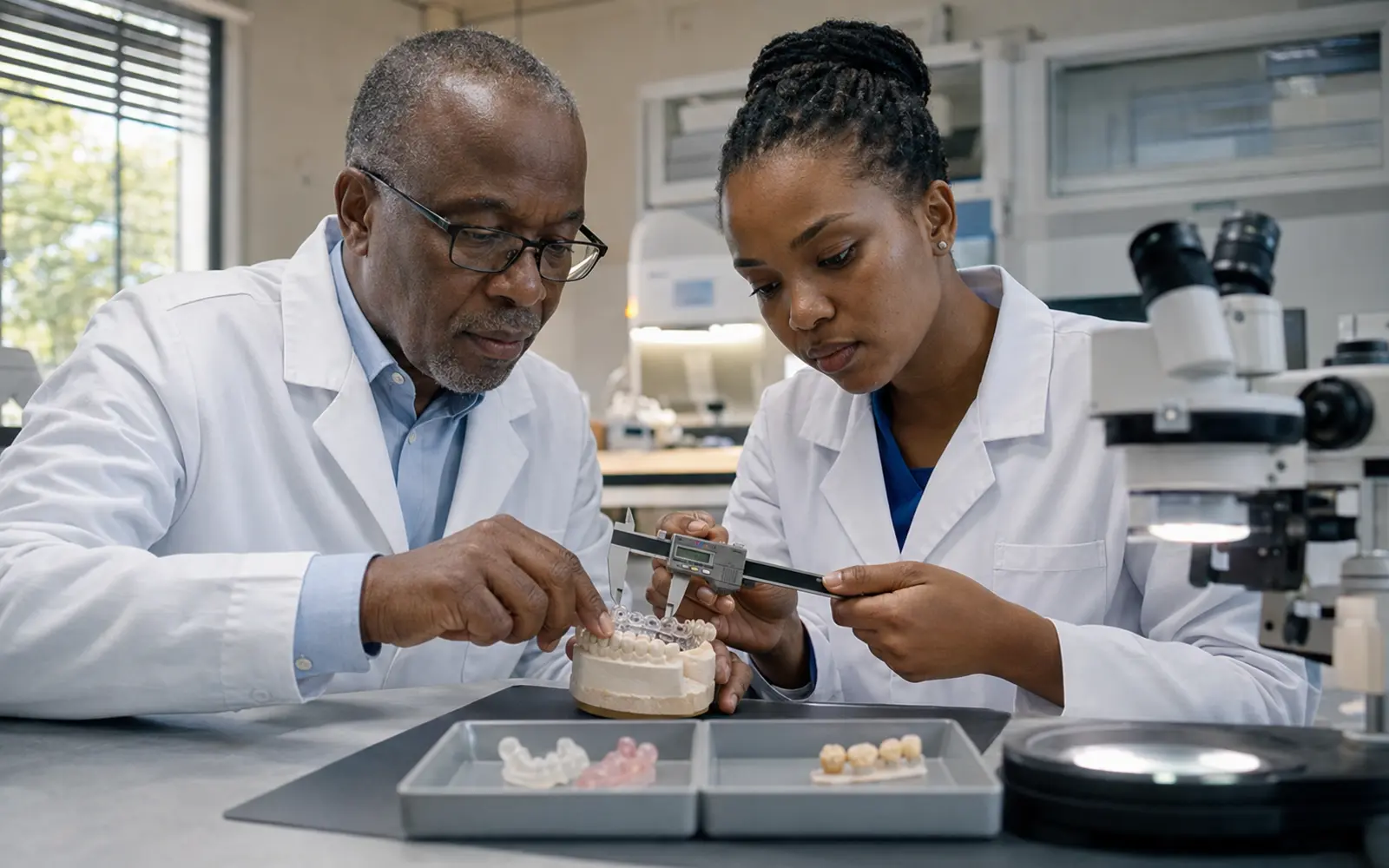
Both technologies can produce clinically acceptable work when the workflow is validated. Printing accuracy is influenced by orientation, supports, layer thickness, exposure, resin condition, washing and post-curing. Milling is influenced by calibration, tool wear, bur diameter, material support, strategy and machine rigidity.
Do not compare machines only by advertised microns. Review independent testing and complete workflow repeatability.
Material Performance
Milled materials begin as industrially manufactured blocks or discs with controlled properties. Printed materials are created during the laboratory process, making correct washing and post-curing essential.
For long-term intraoral products, use only materials approved for the specific indication and follow the validated printer and curing combination.
Production Speed and Throughput
A printer can batch multiple models or guides in one build. Adding more objects may not multiply production time in the same way as sequential milling.
Milling time is usually calculated per restoration or disc. Nesting multiple units in a zirconia disc can improve efficiency, but each job uses machine time and burs.
Hidden Costs of 3D Printing
- Wash unit and post-curing unit.
- Resin tanks or trays.
- Supports and failed prints.
- Solvent, filters and disposal.
- Ventilation and PPE.
- Material storage and shelf life.
- Software and training.
Hidden Costs of Milling
- Burs and tool replacement.
- Coolant or compressed air.
- Sintering furnace for zirconia.
- Material waste and used discs.
- Calibration and spindle maintenance.
- Dust extraction.
- Software, nesting and service contracts.
Infrastructure in African Laboratories
Before buying, assess electricity stability, service availability, import lead time for consumables and environmental requirements. A machine with excellent specifications can become unproductive when burs, resin, spare tanks or service engineers are unavailable.
Use surge protection and backup plans. Maintain enough validated material to cover normal lead times without creating excessive expiry risk.
Outsource or Produce In-House?
Calculate current annual outsourcing cost by product category. Then estimate in-house cost, including labor and failure. The business case becomes stronger when:
- Volume is consistent.
- Turnaround affects customer retention.
- Quality can be controlled internally.
- Consumables are reliably available.
- Staff can operate and maintain the system.
Which Technology Should Come First?
Choose printing first when the laboratory outsources many models, surgical guides, splints or resin products and wants an accessible entry into digital production.
Choose milling first when zirconia and CAD/CAM fixed restorations represent the largest predictable volume.
Choose both gradually when the laboratory has diversified demand and enough technical staff to manage two workflows.
Aidite and Denta24 Laboratory Solutions
Denta24 lists Aidite products for digital dental laboratories. When evaluating equipment or materials, request current compatibility lists, validated indications, training, warranty and after-sales support.
Investment Scorecard
Score each option from one to five for:
- Current monthly outsourcing spend.
- Expected case volume.
- Gross margin.
- Staff competence.
- Power and environmental readiness.
- Consumable availability.
- Service response.
- Product demand over three years.
The highest score should guide the first investment, not the latest marketing trend.
Dental 3D Printing Vs Milling: Practical Checks for African Clinics
For African clinics, dental 3D printing vs milling is not a product-only decision. It must also account for material supply, import lead time, resin storage, post-curing, bur replacement, furnace access, ventilation, power stability, service support and technician training. A resilient dental 3D printing vs milling plan should remain workable when supply, connectivity, service access or patient follow-up is less predictable than expected.
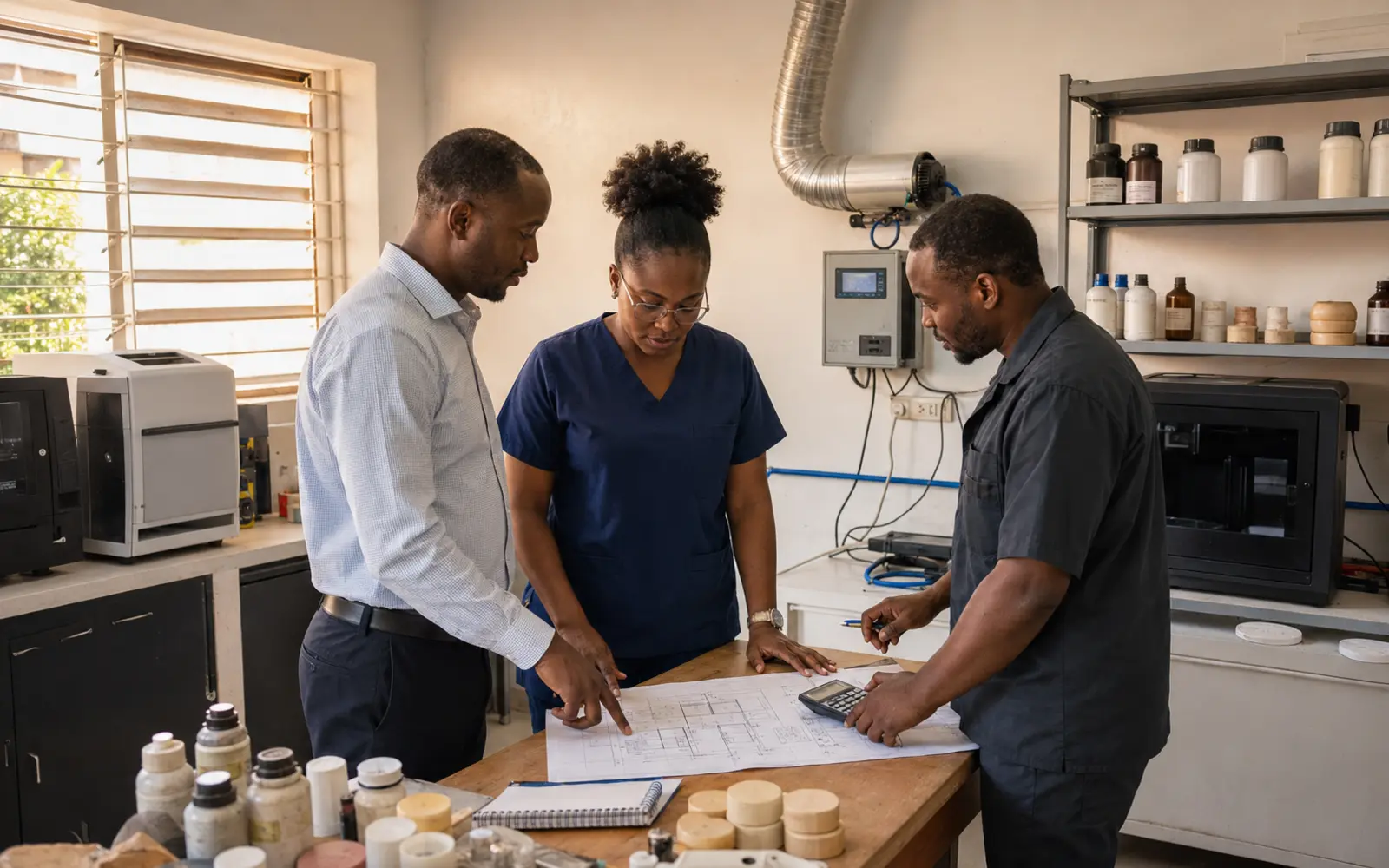
Before adoption, document who is responsible, which current instructions for use apply, how outcomes will be measured and what will trigger referral, retraining or a change in protocol. The goal of dental 3D printing vs milling is to start with the technology that matches current production demand and outsourcing cost, then calculate utilization before expanding the digital laboratory.
- Verify material supply before implementation or purchase.
- Verify import lead time before implementation or purchase.
- Verify resin storage before implementation or purchase.
- Verify post-curing before implementation or purchase.
- Verify bur replacement before implementation or purchase.
- Verify furnace access before implementation or purchase.
- Verify ventilation before implementation or purchase.
Use dental 3D printing vs milling as an operational decision that is reviewed after real cases. Record complications, remakes, chair time, consumable use, stock-outs and team feedback, then refine the protocol from evidence rather than marketing claims.
Related Denta24 reading: digital dentistry equipment trends. This context helps place dental 3D printing vs milling within a broader clinical and digital strategy.
Conclusion
Dental 3D Printing Vs Milling succeeds when the evidence, local workflow and review plan remain aligned. 3D printing and milling solve different production problems. A profitable laboratory begins with case-mix analysis, chooses validated workflows and budgets for post-processing, consumables, maintenance and training. The right first machine is the one that the laboratory can keep productive.
Frequently Asked Questions
What is the main difference between printing and milling?
For context, dental 3D printing vs milling should always be adapted to the individual case and the current evidence. Printing builds objects layer by layer; milling removes material from a prefabricated block or disc.
Which is better for zirconia restorations?
Milling is the established workflow for zirconia, followed by controlled sintering and finishing.
What is dental 3D printing best suited for?
Common applications include models, guides, splints, trays, provisionals and selected denture products.
Which technology wastes less material?
Printing often uses material efficiently, while milling produces disc or block waste and consumes tools.
Does printing require post-processing?
Yes. Washing, drying, support removal and validated post-curing are essential.
Which has higher throughput?
Printers can batch many objects, while milling throughput depends on unit count, material and machine strategy.
What hidden costs should be considered?
Include software, extraction, washing, curing, resin handling, burs, coolant, sintering, maintenance and failed jobs.
Can one technology replace the other?
Usually not. Productive laboratories often use both for different indications.
What infrastructure is required?
Stable power, climate control, safe chemical handling, extraction and trained technical support are important.
Which should a small laboratory buy first?
Choose according to the laboratory’s highest-volume product and most expensive reliable outsourcing category.
References and Further Reading
- Additive and subtractive manufacturing in dentistry
- Dental 3D printing materials and applications
- Aidite on Denta24
Professional disclaimer: Equipment and material indications vary by manufacturer. Verify validated workflows, local regulation and laboratory safety requirements before production.