
 Endodontic Rotary Files
 Finishing Burs
 High-Speed Burs
 Low-Speed Drills

 Cosmetic Accessories
 Home Whitening Kits
 Clinic Whitening Kits

 Implant Accessories
 Implant Fixtures
 Prosthetic Components
 Surgical Implant Tools

 CAD & CAM Materials
 Lab Consumables
 Lab Equipment

 Digital Dentistry Devices
 Endodontic Equipment
 General Clinic Equipment
 Restorative Equipment
 Surgical Equipment

 Hand Files
 Irrigation & Medicaments
 Post & Core
 Rotary Files
 Sealers

 Brackets & Wires
 Clear Aligners
 Orthodontic Accessories

 Bonding & Adhesive Systems
 Finishing & Polishing
 Matrix Systems
 Etching Materials
 Composite Materials
 Occlusion Checking

 Bone & Grafting Materials
 Surgical Accessories
 Surgical Consumables

 Cementation
 Impression & Registration Materials
 Temporary Restorations

 Periodontal Instruments & Accessories
 Periodontal Treatment Materials






Restorative Equipment
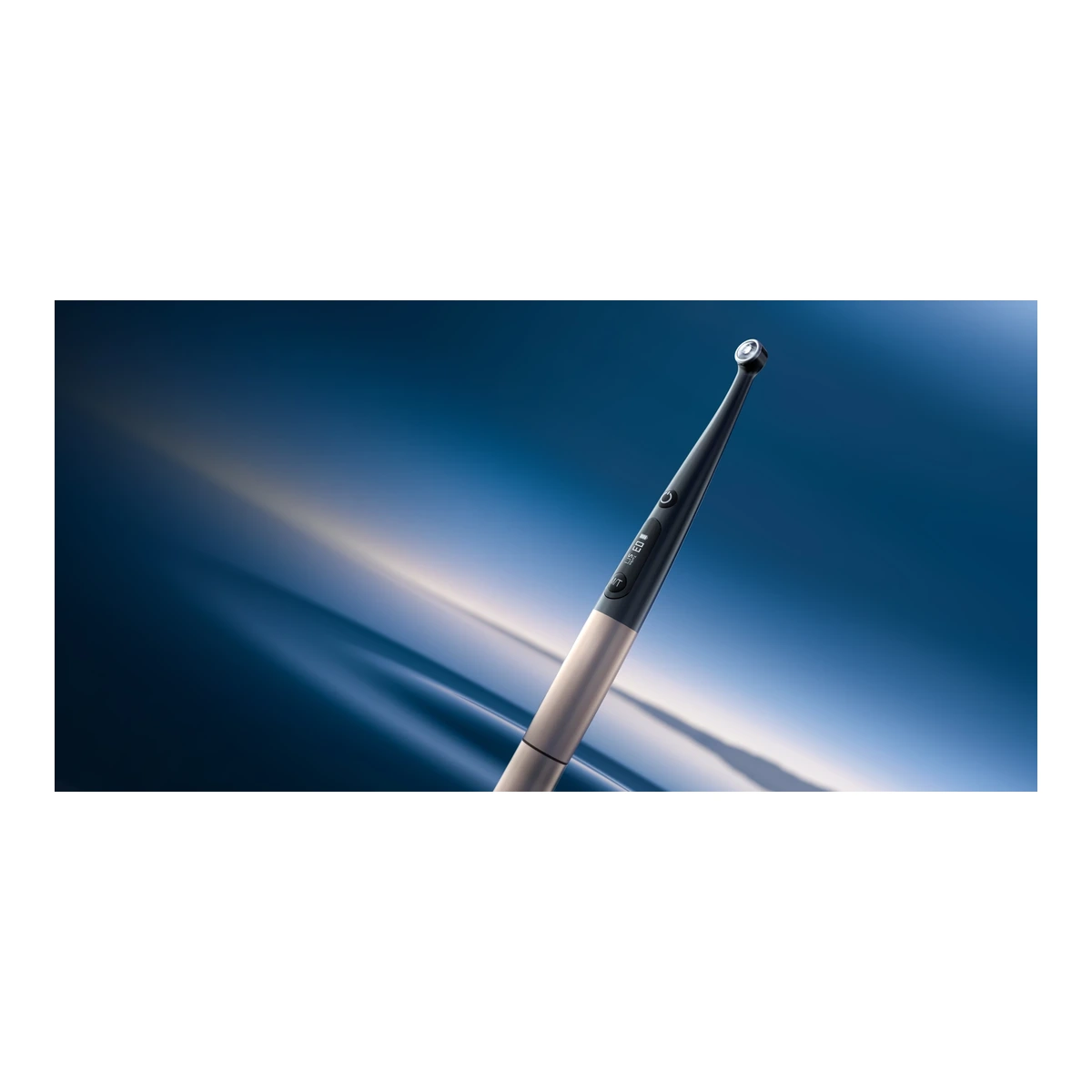
Woodpecker O-Star Wide-Spectrum Curing Light
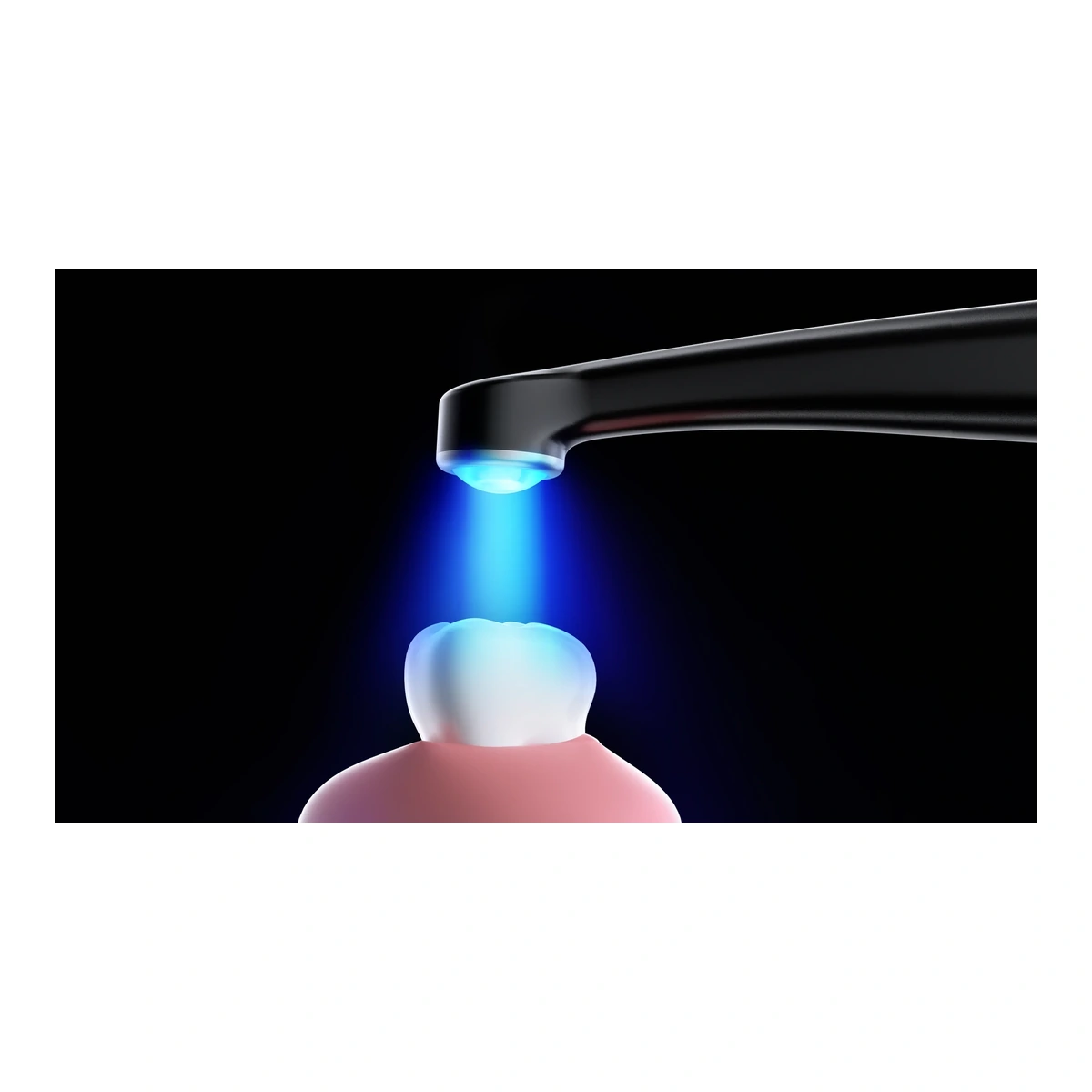
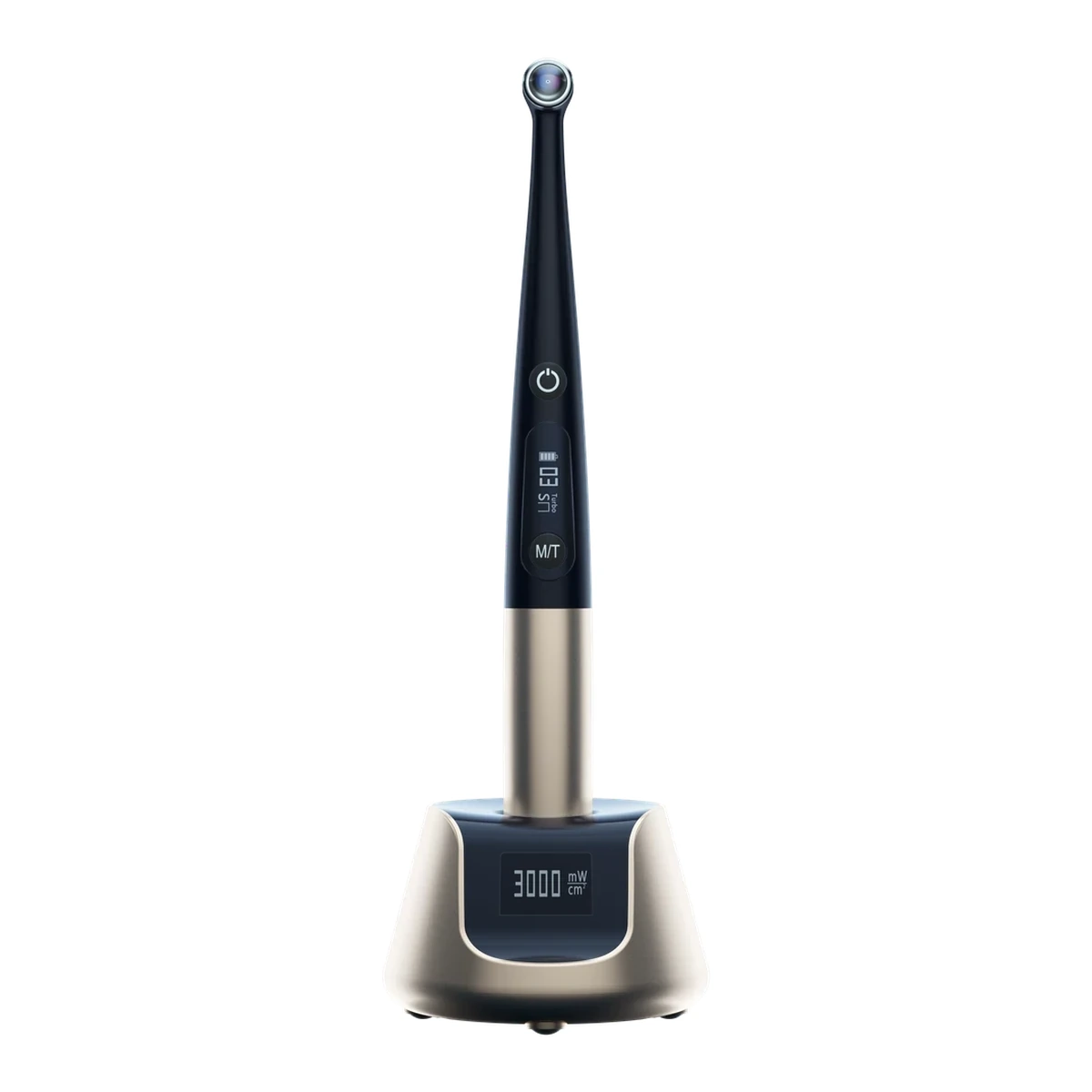
Woodpecker O-Star brings seven operating modes, a broad stated wavelength range and a built-in radiometer to a cordless curing-light format. It is designed for compatible light-sensitive dental materials. Choose the mode and exposure from the material instructions, then use the available output-checking function as part of a consistent equipment routine.
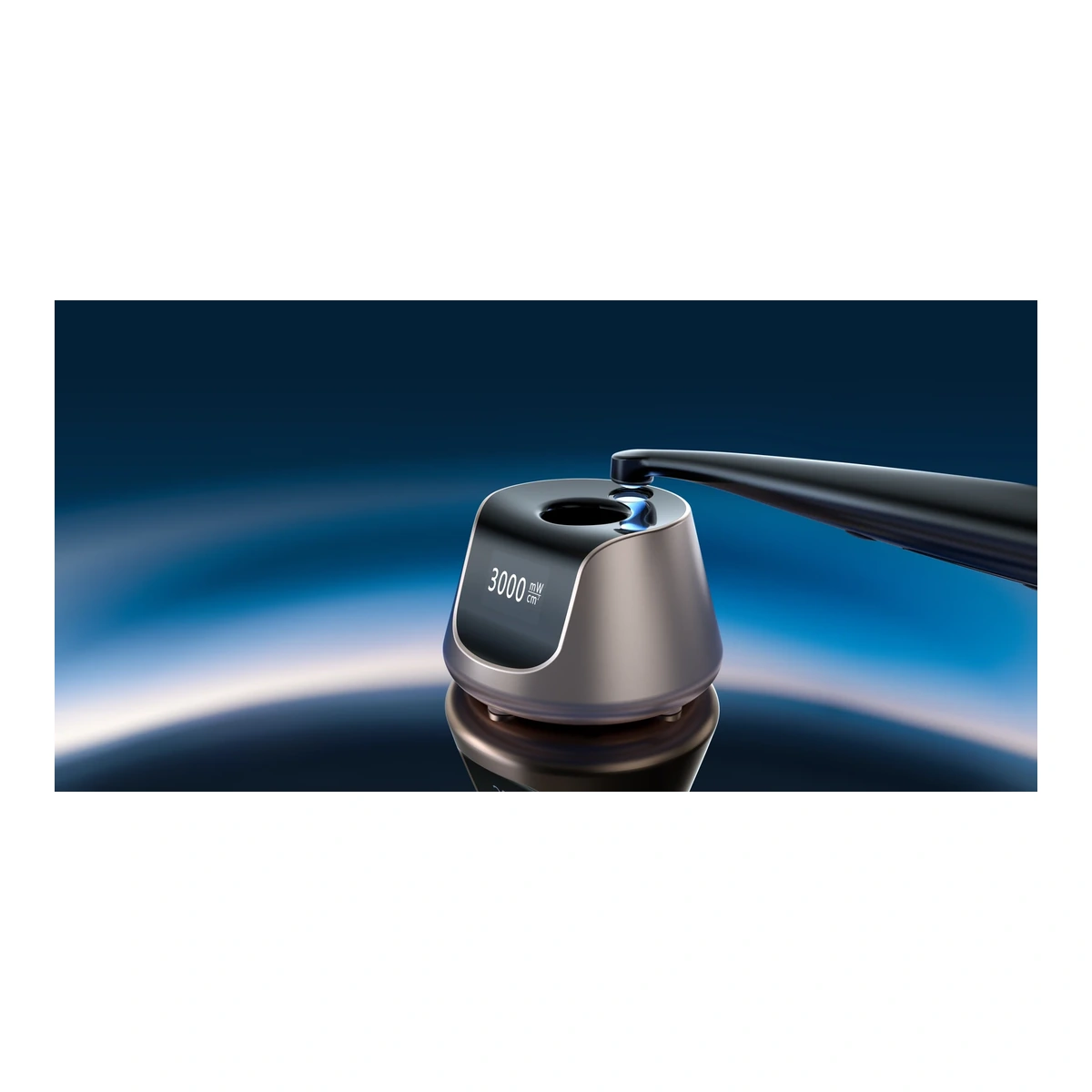
Woodpecker O-Star: choose a mode for the material and task
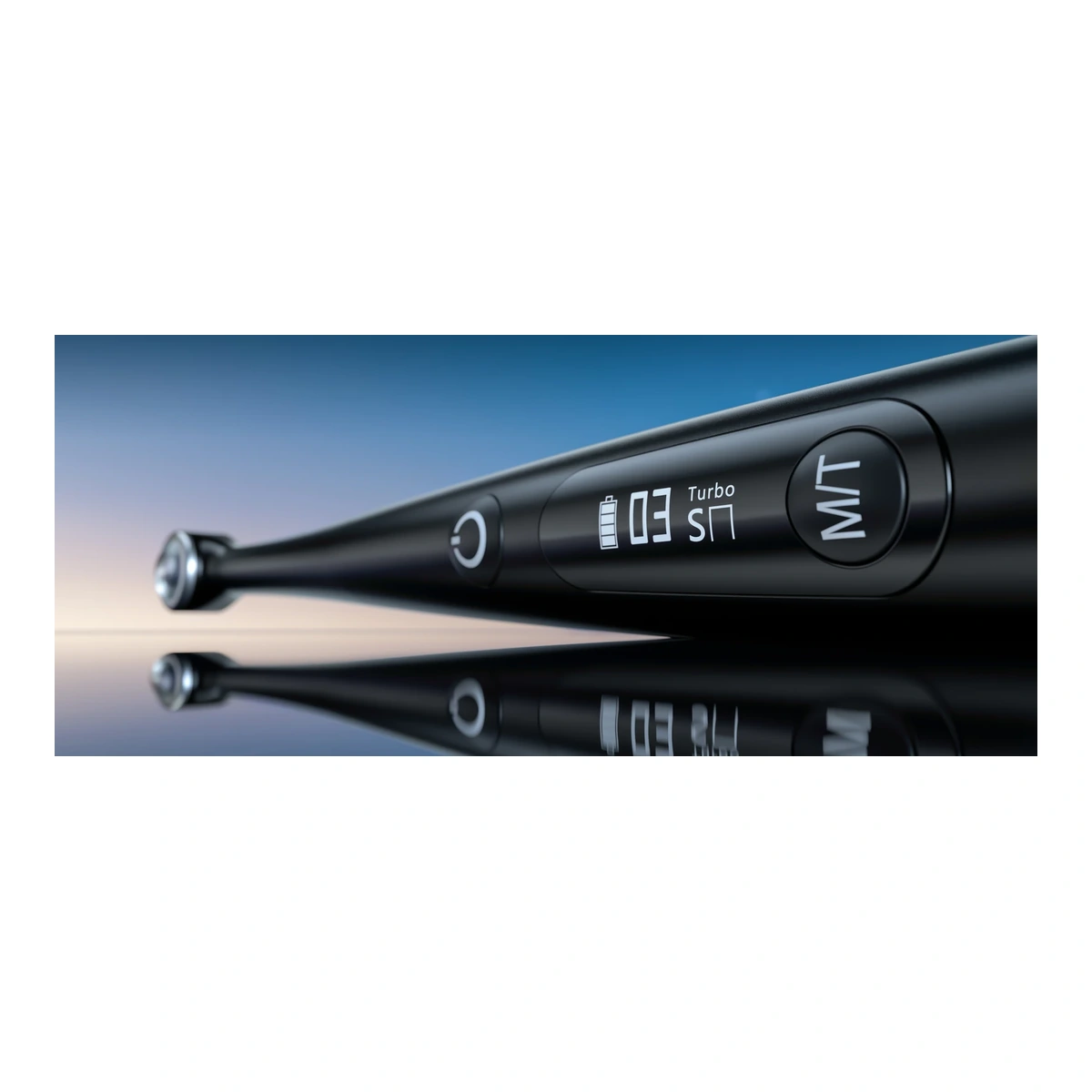
The O-Star brochure describes Normal, High, Turbo, Ortho, Soft, Pulse and Check modes. These functions have different purposes and output arrangements. For curing, select a mode and exposure time that are suitable for the restorative material, shade, increment and clinical situation. A short timer option is a device capability, not a statement that every resin or restoration can be adequately cured in the same interval.
Keep output checking within the daily routine
Woodpecker O-Star includes a light meter in the charging-base arrangement described by the manufacturer. A practical equipment routine includes inspecting the light-emitting area, keeping it clean and checking the output as directed. Light delivery is affected by the condition of the working end and how the handpiece is positioned. Consider these factors alongside the selected mode when assessing the equipment for a busy restorative workflow.
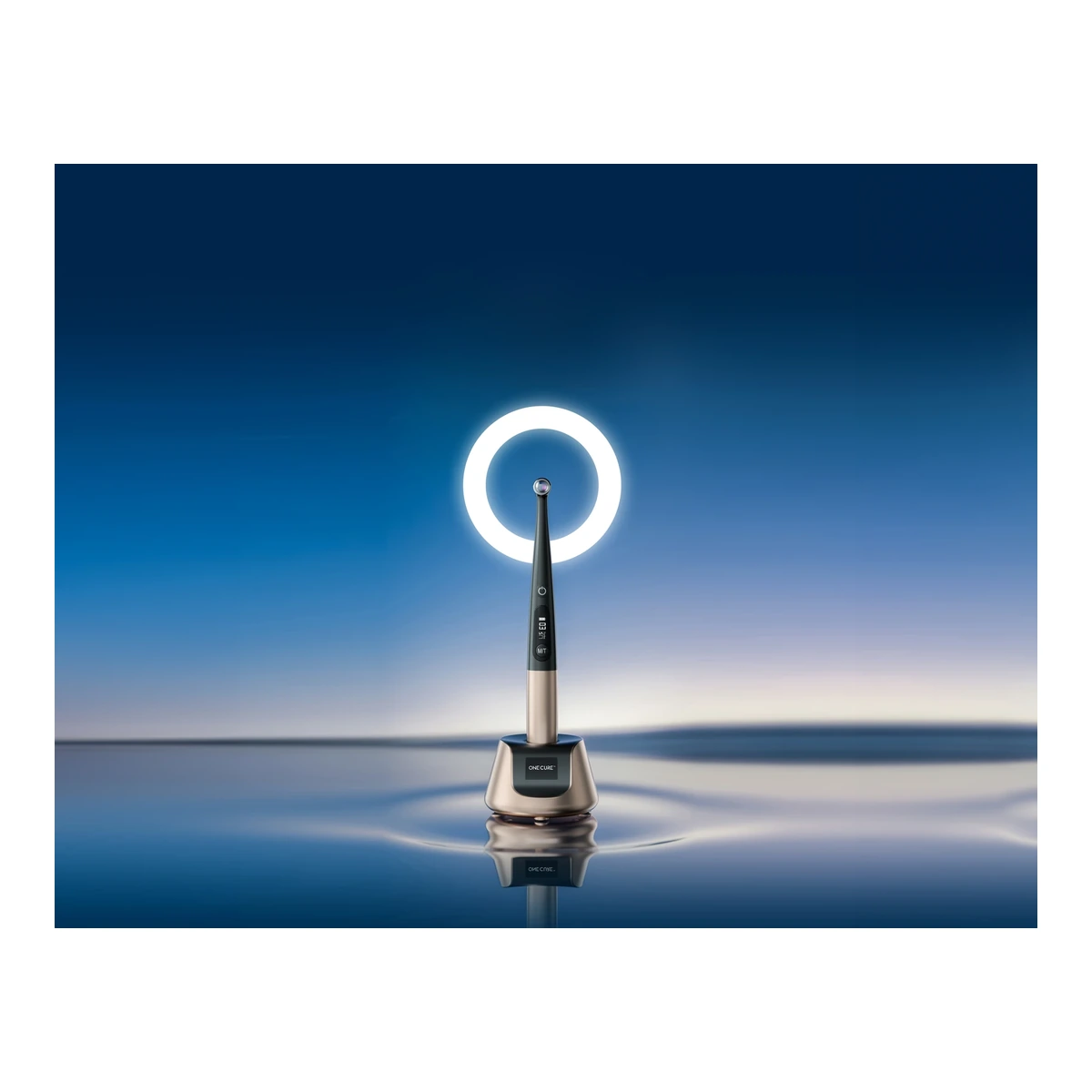
A rotatable working end for access
The brochure describes a rotatable head and a uniform, collimated beam design. Head orientation is relevant when approaching posterior teeth or working around a restoration. Position the light according to the device and material instructions, maintaining a suitable working distance and coverage. The Check mode has a separate viewing purpose described in the manufacturer literature and should not be confused with a curing exposure or treated as an independent diagnosis.
Match the light spectrum with the materials in use
The O-Star manual specifies a 385–515 nm wavelength range for the documented unit. Compare the light’s stated spectrum with the photoinitiator requirements of the restorative materials used in the practice. A wide spectrum is an equipment characteristic; material shade, increment thickness, distance and positioning still affect the exposure required. Keep the current material instructions available when choosing modes and times, particularly when a new material is introduced into an established restorative routine.
Specifications for Woodpecker O-Star
| Device | Wide-spectrum dental curing light |
|---|---|
| Modes | Normal, High, Turbo, Ortho, Soft, Pulse, Check |
| Output checking | Light meter integrated with charging base |
| Working end | Rotatable head described in manufacturer brochure |
5 easy buying checks for Woodpecker O-Star
Compare the light’s stated wavelength range with the material’s photoinitiator and curing instructions. A broad range alone does not establish compatibility with every resin.
Choose the time and mode from the restorative material instructions. Do not transfer an exposure from another light simply because its display looks similar.
Check the distance, angle and access needed to cover the restoration. Keep the optical working end clean and use the specified protective barriers.
Include compatible output testing in the equipment routine. For a model with a built-in radiometer, follow its instructions and interpretation limits.
Identify which parts can be cleaned or reprocessed by each method, and plan a reliable charging routine for the supplied handpiece and base.
Care for Woodpecker O-Star
Keep the emitting surface and protective components of Woodpecker O-Star in the condition required by its instructions. Use the appropriate barriers and eye protection, avoid direct viewing of the emitted light and follow the required operating and cooling intervals. Charging and surface-cleaning procedures should be incorporated into the equipment routine, with damaged components inspected and replaced as directed.
Woodpecker O-Star: questions before you order
Does Woodpecker O-Star have multiple working modes?
The reviewed brochure lists seven modes with different purposes. Select the appropriate curing mode and time using both the device instructions and the requirements of the restorative material.
Does a one-second timer mean every material cures in one second?
A timer setting does not establish a universal exposure for every material, shade, depth or working distance. Follow the applicable material and device instructions.
What is the purpose of the built-in light meter?
It provides an output-checking function as described by the manufacturer. Use it with the recommended maintenance and inspection routine, rather than assuming the light remains unchanged throughout its service life.
Is Woodpecker O-Star the same model as O-Star Pro?
They are separate model designations. This offer identifies O-Star, so Pro-only features or package details should not be assumed for the listed item.


Reviews
Clear filtersThere are no reviews yet.