 Endodontic Rotary Files
 Finishing Burs
 High-Speed Burs
 Low-Speed Drills
 Cosmetic Accessories
 Home Whitening Kits
 Clinic Whitening Kits
 Implant Accessories
 Implant Fixtures
 Prosthetic Components
 Surgical Implant Tools
 CAD/CAM Materials
 Lab Consumables
 Lab Equipment
 Digital Dentistry Devices
 Endodontic Equipment
 General Clinic Equipment
 Restorative Equipment
 Surgical Equipment
 Hand Files
 Irrigation & Medicaments
 Post & Core
 Rotary Files
 Sealers
 Brackets & Wires
 Clear Aligners
 Orthodontic Accessories
 Cementation
 Impression & Registration Materials
 Bonding & Adhesive Systems
 Periodontal Treatment Materials
 Prosthodontic Materials
 Finishing & Polishing
 Matrix Systems
 Composite Materials

 Bone & Grafting Materials
 Surgical Accessories
 Surgical Consumables


How Modern Technology is Revolutionizing Dental Implant Procedures.

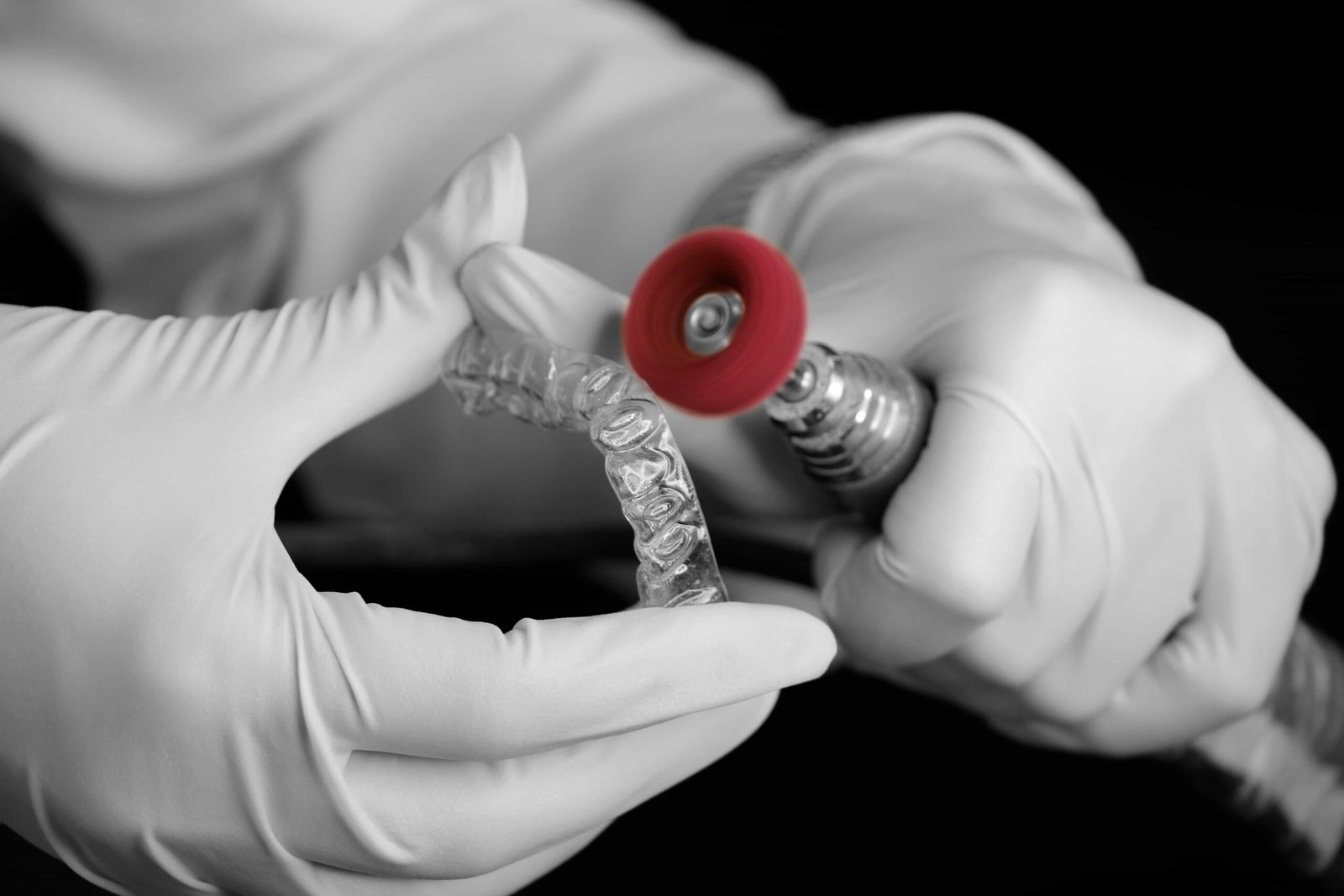
Modern technology is transforming dental implant procedures into a high-precision, minimally invasive, and highly predictable process. By 2026, the integration of Artificial Intelligence (AI), robotic assistance, and fully digital workflows has moved from a competitive advantage to an essential standard of care.
1. AI-Driven Diagnostic and Surgical Planning
Artificial Intelligence is now a cornerstone of preoperative safety.
- Automated Data Analysis: AI software analyzes CBCT scans and 3D digital impressions to automatically map bone shapes with up to 96.4% accuracy.
- Predictive Stability: Algorithms can predict the primary stability of a dental implant with approximately 93.7% accuracy before the surgeon even makes an incision.
- Minimizing Risk: Systems evaluate patient health factors—such as smoking history and bone density—to assess long-term success risks.
2. Robotic and Computer-Guided Surgery
Precision in 2026 is achieved through advanced guidance systems that eliminate the variability of “freehand” placement.
- Millimeter-Level Precision: Robotic systems act as ultra-precise guides, ensuring implants are placed at the optimal depth and angle with positional accuracy above 98%.
- Guided Accuracy: Custom 3D-printed surgical guides follow a digital “roadmap,” reducing deviations from the planned position to less than 1 millimeter.
- Efficiency Gains: Guided procedures can reduce surgical time by 30–40% compared to traditional methods.
3. Advanced Materials and 3D Printing
The materials used in modern implants have evolved to improve both aesthetics and biological integration.
- Biocompatible Coatings: Innovations like nanotechnology and hydroxyapatite coatings mimic natural bone structure to accelerate osseointegration and reduce infection risks.
- Dynamic Material Classes: High-strength zirconia and fiber-reinforced polymers offer superior durability and natural aesthetics for implant-supported restorations.
- In-House Fabrication: Clinics now use chairside 3D printing to produce surgical guides and provisional crowns same-day, reducing lab dependency.
4. Impact on Patient Outcomes
The “Perfect Smile Revolution” focuses on personalization and comfort.
| Feature | Traditional Approach | 2026 Digital Technology |
| Impressions | Uncomfortable putty molds | Fast 3D digital scanning |
| Surgical Trauma | Larger incisions and stitches | Minimally invasive/flapless options |
| Recovery Time | Moderate swelling and pain | Faster return to daily routines |
| Success Rate | Variable (Operator dependent) | Consistently high (>98%) |
5. Smart Monitoring (Future Horizon)
The latest trend includes “Smart Implants” equipped with miniaturized sensors. These sensors can track:
- Inflammation: Monitoring temperature fluctuations to detect early signs of infection.
- Mechanical Stress: Detecting pH level changes and pressure distribution during chewing to prevent early failure.
Would you like to explore how to integrate these digital workflows specifically into an existing clinic’s operational model?


